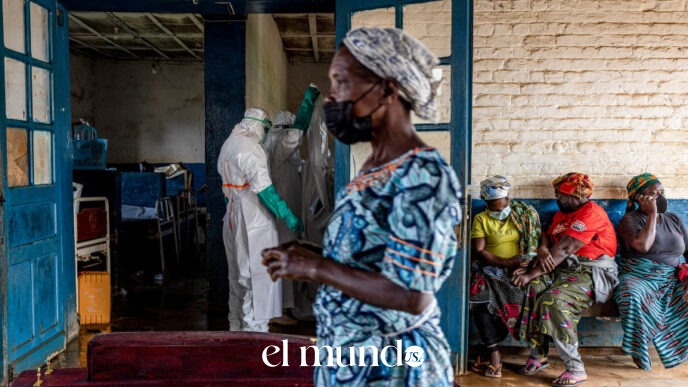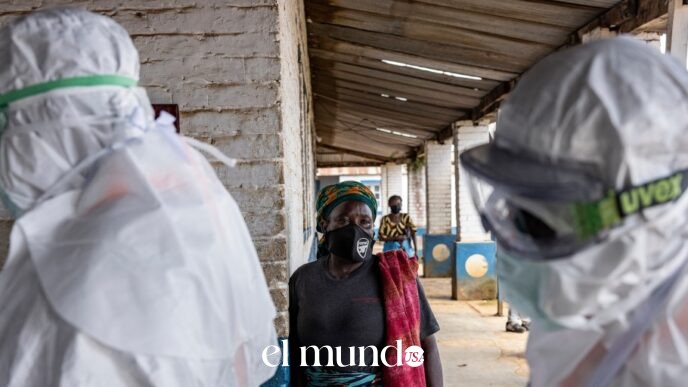
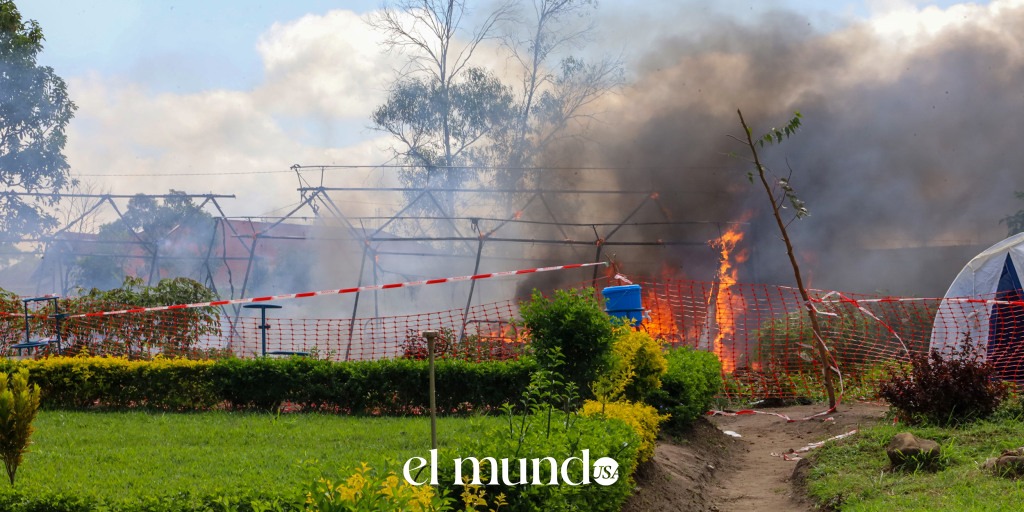
Local youths set fire to an Ebola treatment center in Rwampara, Democratic Republic of Congo on Thursday, May 21, 2026, after authorities prevented them from retrieving the body of a friend who died from the disease. The arson attack comes as the World Health Organization raised its risk assessment within Congo to very high, reporting 82 confirmed cases and 7 confirmed deaths from the ongoing outbreak.
The incident underscores the growing tension between Ebola containment protocols and traditional burial customs in the region, where armed conflict and a massive displaced population are already complicating response efforts.
Main Developments
The confrontation in Rwampara, located in Ituri Province, began when young people attempted to take the body of a deceased friend home for a traditional funeral. Under Ebola outbreak regulations, all bodies must be buried according to strict health protocols to prevent further transmission of the virus.
Alexis Burata, a local student and witness to the events, described what happened: “The police intervened to try to calm the situation, but unfortunately they were unsuccessful. The young people ended up setting fire to the center. That’s the situation.”
Jean Claude Mukendi, Deputy Senior Commissioner and head of the public security department in Ituri Province, explained the circumstances that led to the incident. “His family, friends, and other young people wanted to take his body home for a funeral even though the instructions from the authorities during this Ebola virus outbreak are clear. All bodies must be buried according to the regulations.”
The outbreak involves the Bundibugyo strain of Ebola, for which no vaccine or medicine is currently available. Health officials estimate it could take 6 to 9 months before a vaccine may be available.
What We Know So Far
On Friday, May 22, 2026, the WHO announced it had raised the risk assessment within Congo from high to very high. However, the organization maintains that the global spread risk remains low.
Current confirmed figures show 82 confirmed Ebola cases with 7 confirmed deaths. Additionally, almost 750 suspected cases and 177 suspected deaths are under investigation. The first known death occurred in late April 2026.
The first case was confirmed in South Kivu Province, near Bukavu city. The outbreak has since spread beyond Ituri and North Kivu provinces, covering approximately 500 kilometers (310 miles) from Bukavu to the outbreak epicenter.
Anaïs Legand, a viral hemorrhagic fevers expert at WHO, indicated the outbreak “started probably a couple of months ago.”
Jean Kaseya, Director-General of Africa Centers for Disease Control and Prevention, addressed expectations about case numbers: “We are still in the phase where we are intensifying the investigation, searching for cases. I expect the number of cases to increase as surveillance becomes more and more rigorous.”
What Happens Next
Ariel Kestens, head of the International Federation of Red Cross and Red Crescent Societies delegation in Congo, emphasized the urgency of the situation: “The priority now is to act quickly and work closely with communities, as the coming days are critical.”
The United States has placed travel restrictions on visitors from Congo, Uganda, or South Sudan who have been in those countries within the previous 21 days.
International events are being affected by the health situation. The India-Africa Forum Summit has been postponed due to the outbreak. Additionally, on Wednesday, May 20, 2026, Congo’s soccer team canceled its World Cup preparation camp in Kinshasa.
Important Details
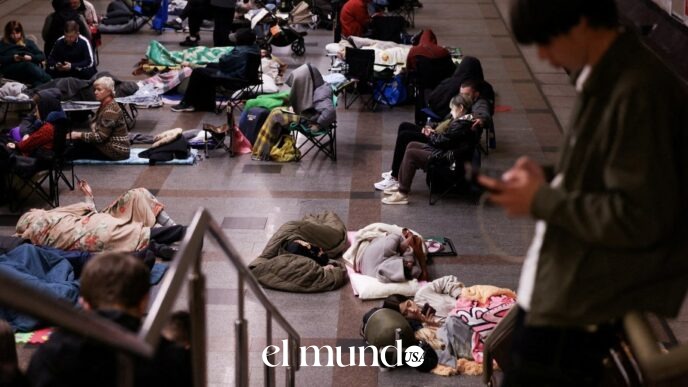
The response to the Ebola outbreak is complicated by ongoing armed conflict in the region. Over 920,000 internally displaced people are currently in Ituri Province, creating significant challenges for health workers attempting to track and contain the virus.
On Tuesday, May 19, 2026, Islamic State-linked militants killed at least 17 people in Alima village, demonstrating the volatile security situation that aid workers must navigate while responding to the health crisis.
Hama Amadou, field coordinator for ALIMA, a medical humanitarian organization, is among those working in the affected areas.
WHO Director-General Tedros Adhanom Ghebreyesus has been monitoring the situation as his organization coordinates the international response.
Community Tensions and Burial Customs
The arson attack in Rwampara highlights a recurring challenge in Ebola outbreaks: the conflict between public health requirements and deeply held cultural practices around death and burial.
Traditional burial customs often involve close contact with the deceased, which poses significant transmission risks during Ebola outbreaks. The virus can spread through contact with bodily fluids of infected individuals, including after death.
Health authorities have consistently emphasized that safe burial practices are essential to controlling Ebola transmission, but enforcement of these protocols has repeatedly sparked tensions with affected communities.
Bundibugyo Strain Concerns
The current outbreak involves the Bundibugyo strain of Ebola. This strain was first identified in 2007 and differs from the more commonly known Zaire strain that caused the massive 2014-2016 West African outbreak.
A critical concern for health responders is that no vaccine or medicine is currently available for the Bundibugyo strain. Existing Ebola vaccines were developed primarily for the Zaire strain, and their effectiveness against Bundibugyo has not been established.
Health officials estimate it may take 6 to 9 months before a vaccine could potentially become available, though this timeline is not definite.
Frequently Asked Questions
How many Ebola cases are confirmed in the Congo outbreak?
As of May 22, 2026, there are 82 confirmed Ebola cases with 7 confirmed deaths. Additionally, almost 750 suspected cases and 177 suspected deaths are being investigated.
Is there a vaccine for this Ebola strain?
No vaccine or medicine is currently available for the Bundibugyo strain causing this outbreak. Health officials estimate it could take 6 to 9 months before a vaccine may become available.
Are there travel restrictions related to this outbreak?
Yes, the United States has placed travel restrictions on visitors from Congo, Uganda, or South Sudan who have been in those countries within the previous 21 days.
What is the global risk level for this outbreak?
According to the WHO, the global spread risk remains low despite the very high risk assessment within Congo.
Why was the treatment center burned?
Local youths set fire to the treatment center in Rwampara on May 21, 2026, after authorities prevented them from retrieving the body of a friend who died from Ebola for a traditional funeral burial.
The situation in eastern Democratic Republic of Congo remains challenging as health workers attempt to contain the Ebola outbreak while navigating armed conflict, a large displaced population, and community tensions over burial practices. International health organizations continue coordinating response efforts as surveillance intensifies across the affected provinces.