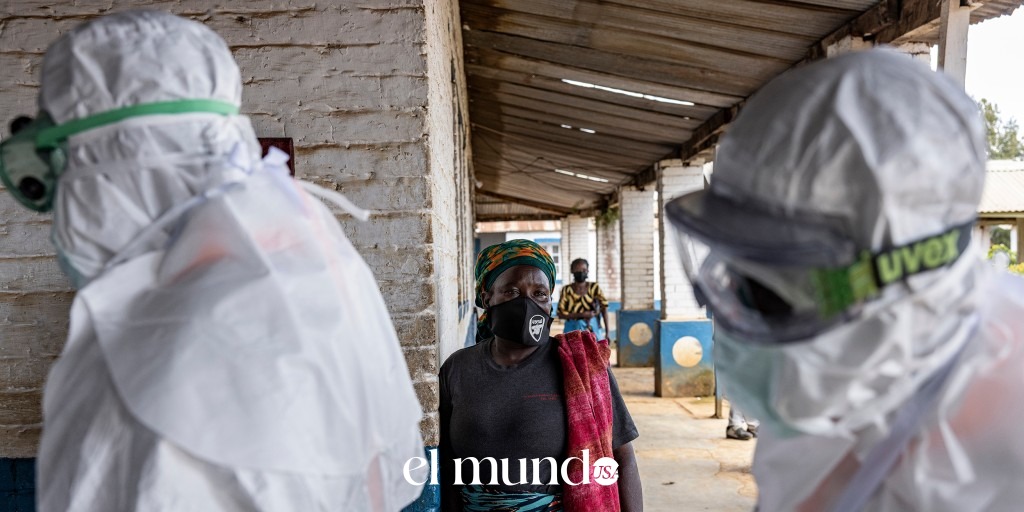
Three Red Cross volunteers from the Democratic Republic of Congo have died after contracting Ebola during a humanitarian mission in late March 2026, as the deadly virus spreads across borders to Uganda and prompts the World Health Organization to declare a public health emergency of international concern.
The volunteers, who served in the Mongbwalu branch of Congo’s Red Cross society in Djugu territory, Ituri province, are believed to be among the first known victims of the current outbreak. They contracted the virus during a mission on March 27, at a time when communities were unaware the outbreak had begun.
Main Developments in the Ebola Outbreak
As of Thursday, health authorities reported 746 suspected cases and 176 deaths among suspected cases in the Democratic Republic of Congo. Among these, 88 cases have been confirmed, with 10 deaths among confirmed cases, including one death in Uganda.
Uganda has seen its case count rise from two to five as of Sunday. The three new cases in Uganda include a Ugandan driver, a Ugandan health worker, and a Congolese woman. The spread of the virus to Uganda has heightened international concern about the trajectory of the outbreak.
The WHO declared the outbreak a public health emergency of international concern on May 17, signaling the severity of the situation and the need for coordinated international response efforts.
Red Cross Volunteers Remembered
The three volunteers who lost their lives have been identified as Alikana Udumusi Augustin, Sezabo Katanabo, and Ajiko Chandiru Viviane. According to officials, at the time of their intervention on March 27, the community was not aware of the Ebola Virus Disease outbreak, and the outbreak had not yet been identified. They are among the first known victims of the outbreak.
Viviane died on May 5, followed by Katanabo on May 15, and Augustin on May 16. The Red Cross released a statement honoring their sacrifice.
“We extend our heartfelt condolences to their families, loved ones, fellow volunteers and colleagues. These volunteers lost their lives while serving their communities with courage and humanity,” the organization stated.
What We Know So Far
The current outbreak is driven by the Bundibugyo strain of Ebola, which presents particular challenges for the medical response. There are currently no approved vaccines or treatments for this specific strain of the virus.
WHO Director-General Tedros Adhanom Ghebreyesus has acknowledged the difficulties facing response teams on the ground. According to Tedros, these numbers are changing as surveillance efforts and laboratory testing is improving, but violence and insecurity are impeding the response.
An American surgeon contracted the virus while working in Congo and was evacuated to Germany for treatment. No suspected or confirmed cases from the current outbreak have been reported in the United States.
U.S. Government Response
The United States has taken swift action in response to the growing outbreak. On May 18, the Centers for Disease Control and Prevention issued an entry ban on foreign nationals who were in the Democratic Republic of Congo, Uganda, or South Sudan within 21 days of their arrival to the United States.
The U.S. State Department has also mobilized $23 million in foreign assistance to support response efforts in the affected regions. This funding aims to help contain the spread of the virus and support medical infrastructure in the impacted countries.
What Happens Next
International health organizations continue to monitor the situation closely as case numbers evolve. Surveillance efforts and laboratory testing capabilities are being expanded in the affected regions, though ongoing violence and insecurity in parts of the Democratic Republic of Congo continue to hamper response operations.
The travel restrictions implemented by the CDC will remain in effect as authorities work to prevent potential importation of the virus to the United States. Foreign nationals who have traveled through Congo, Uganda, or South Sudan face a 21-day waiting period before they may be permitted entry.
Health authorities are working to trace contacts of confirmed cases in both the Democratic Republic of Congo and Uganda to prevent further spread of the disease.
Important Details About the Outbreak
The Bundibugyo strain of Ebola causing this outbreak is one of several known Ebola virus species. Unlike some other strains, there are currently no approved vaccines or specific treatments available for infections caused by the Bundibugyo strain, making prevention and containment the primary focus of response efforts.
The geographic scope of the outbreak now spans multiple countries, with the Democratic Republic of Congo serving as the epicenter. Uganda has confirmed five cases, demonstrating the virus has crossed international borders.
For travelers and U.S. residents, the CDC restrictions apply specifically to foreign nationals who have been present in the Democratic Republic of Congo, Uganda, or South Sudan within the 21 days prior to their attempted entry into the United States.
Frequently Asked Questions
Are there any Ebola cases in the United States?
No. As of the latest reports, there are no suspected or confirmed cases from the current outbreak in the United States.
Is there a vaccine for the Bundibugyo strain of Ebola?
No. The Bundibugyo strain of Ebola currently has no approved vaccines or treatments available.
What travel restrictions are in place due to the Ebola outbreak?
The CDC issued an entry ban on May 18 for foreign nationals who were in the Democratic Republic of Congo, Uganda, or South Sudan within 21 days of their arrival to the United States.
How many Ebola cases have been confirmed?
As of Thursday, there were 88 confirmed cases with 10 deaths among confirmed cases, including one death in Uganda. There were also 746 suspected cases with 176 deaths among suspected cases in the Democratic Republic of Congo.
How did the Red Cross volunteers contract Ebola?
The three volunteers contracted the virus during a humanitarian mission on March 27 in the Djugu territory of Ituri province, Congo. At the time, the community and the volunteers were unaware that the Ebola outbreak had begun.
The deaths of the three Red Cross volunteers serve as a stark reminder of the dangers faced by humanitarian workers responding to health emergencies. Health authorities continue to work on containment efforts as the international community monitors developments in the affected regions.