A devastating suicide bombing attack struck a passenger train in Quetta, Pakistan on Sunday, May 24, 2026, killing at least 19 people and wounding more than 70 others. The explosion caused two train cars to overturn and catch fire, prompting authorities to declare a medical emergency at hospitals throughout the city. The outlawed Baloch Liberation Army has claimed responsibility for the attack.
The attack occurred when a suicide bomber detonated an explosives-laden vehicle near the railway track as the passenger train passed through the area. Quetta is the capital of Balochistan province, an oil- and mineral-rich region that has experienced a low-level insurgency. Officials confirmed that 20 of the wounded remain in critical condition.
Main Developments in the Pakistan Train Bombing
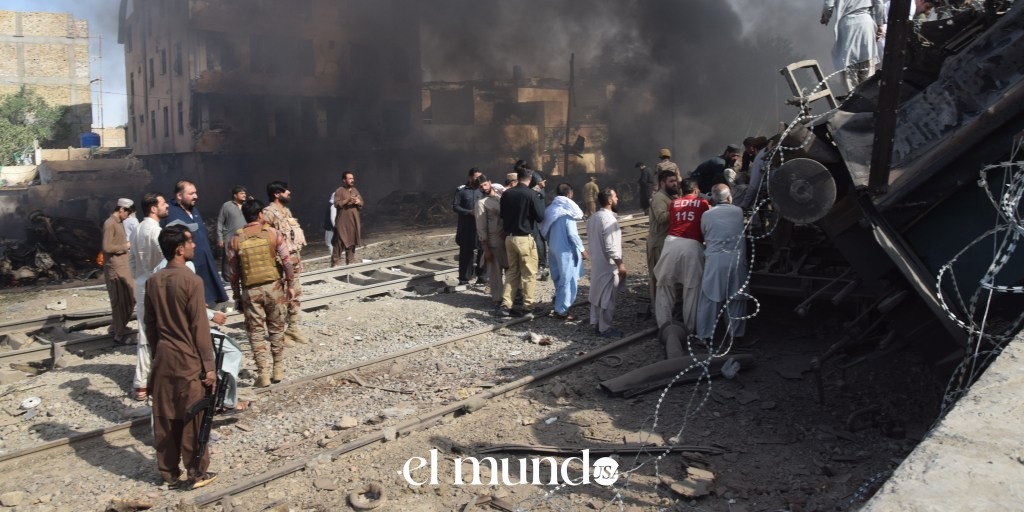
The suicide bomber targeted the passenger train in an area where security forces are usually stationed, according to official reports. The force of the explosion was strong enough to overturn two train cars, which subsequently caught fire. The blast also caused significant damage to the surrounding area, with several nearby buildings badly damaged and more than a dozen parked vehicles smashed by the impact.
Shahid Rind, the Balochistan provincial government spokesman, issued a strong condemnation of the attack. He stated that authorities strongly condemn the targeting of innocent civilians and are deeply saddened by the loss of precious human lives. Rind emphasized that terrorist elements deserve no leniency.
The Baloch Liberation Army claimed responsibility for the bombing, stating they had targeted a train carrying security personnel. The group has been designated as an outlawed organization by Pakistani authorities.
What We Know So Far
The confirmed details of the attack include the following verified information from Pakistani authorities and government officials:
At least 19 people have been killed in the bombing. More than 70 people sustained injuries, with 20 of the wounded currently in critical condition at Quetta hospitals. Medical facilities in the city declared a state of emergency to handle the influx of casualties.
The physical damage extended beyond the railway track itself. Two train cars overturned and caught fire following the explosion. Several buildings in the vicinity suffered significant damage, and more than a dozen vehicles parked near the scene were destroyed by the blast.
Pakistani authorities have launched an investigation into the attack. The bombing represents another violent incident in Balochistan province, which has dealt with persistent security challenges. In 2024, a previous attack at a train station in Balochistan killed 26 people.
Government Response to the Attack
Prime Minister Shehbaz Sharif responded to the bombing on the social media platform X, describing it as a cowardly act of terrorism. The prime minister’s statement reflected the national government’s condemnation of the violence.
Balochistan Chief Minister Sarfraz Bugti also addressed the attack on X, describing the victims as innocent civilians, including women and children. Bugti vowed to hunt down those responsible for the bombing, signaling the provincial government’s commitment to pursuing the perpetrators.
The coordinated statements from both national and provincial leadership demonstrate the gravity with which Pakistani officials are treating the incident. Authorities at multiple levels have pledged to pursue justice for the victims.
What Happens Next
An investigation into the bombing has been launched by Pakistani authorities. Officials will work to determine the full circumstances of the attack, including identifying those responsible beyond the initial claim from the Baloch Liberation Army.
Medical teams in Quetta continue to treat the wounded under emergency conditions. With 20 patients in critical condition, the casualty figures could potentially change as treatment continues.
The response from security forces in Balochistan province will likely intensify following the attack, given Chief Minister Bugti’s public vow to pursue those responsible.
Important Details About the Incident
The attack took place in Quetta, which serves as the capital city of Balochistan province. This region is located in southwest Pakistan and is known for its oil and mineral resources. The province has experienced an ongoing low-level insurgency that has resulted in periodic violence.
The Baloch Liberation Army operates as a militant organization in the region and has been outlawed by Pakistani authorities. The group claimed this attack as part of their stated operations against security forces.
Hospitals in Quetta declared a medical emergency to accommodate the large number of casualties. Healthcare workers are treating patients with injuries ranging from minor wounds to life-threatening conditions.
The method of attack involved a vehicle laden with explosives, driven by a suicide bomber who detonated near the railway track as the passenger train passed through. This tactic caused maximum damage to both the train and surrounding infrastructure.
Context on Violence in the Region
Balochistan province has experienced ongoing security challenges related to a low-level insurgency. The 2024 attack at a train station in the province, which killed 26 people, demonstrates the persistent nature of violence in the region.
The targeting of transportation infrastructure, including railways, represents a tactic that can affect both civilian travelers and security personnel who use these routes.
Frequently Asked Questions
How many people were killed in the Pakistan train bombing?
At least 19 people were killed in the suicide bombing attack in Quetta on May 24, 2026. More than 70 others were wounded, with 20 of those injured in critical condition at Quetta hospitals.
Who claimed responsibility for the Quetta train attack?
The Baloch Liberation Army, an outlawed militant organization, claimed responsibility for the attack. The group stated they targeted a train carrying security personnel.
Where did the Pakistan train bombing occur?
The attack occurred in Quetta, the capital of Balochistan province in southwest Pakistan. The suicide bomber detonated an explosives-laden vehicle near the railway track as a passenger train passed through the area.
What damage was caused by the explosion?
The bombing caused two train cars to overturn and catch fire. Several nearby buildings were badly damaged, and more than a dozen parked vehicles were smashed by the force of the blast.
Ongoing Situation
The situation in Quetta remains active as medical personnel continue treating the wounded and investigators work to gather evidence. Pakistani authorities at both the national and provincial levels have condemned the attack and pledged to pursue those responsible.
The death toll of at least 19 people makes this one of the deadlier attacks in the region in recent years. Authorities have not released the identities of victims, the specific name of the train targeted, or the exact time the bombing occurred.
As the investigation proceeds, additional information about the circumstances of the attack may become available. Medical updates regarding the 20 critically wounded patients will also be monitored as treatment continues at Quetta hospitals.