Mexico City’s Felipe Ángeles International Airport (AIFA), located approximately 35 kilometers north of the city center, has become a major aviation hub serving the metropolitan area by providing additional capacity and easing congestion at the city’s primary airport.
Transportation Options to and from Felipe Ángeles Airport
The airport’s location presents challenges for travelers accessing or departing Mexico City due to the considerable distance from the city’s core, requiring extended ground transportation. Public buses connect Felipe Ángeles Airport with key points in Mexico City, including several important Metro stations. These buses offer economical fares, typically costing a few U.S. dollars, but travelers report that bus trips often involve multiple transfers and longer travel times. The airport authority maintains scheduled bus routes intended to integrate the airport with the wider public transit network.
Private transfer services such as sedans and minibuses are also widely available and promoted by travel providers and hotels. These options offer direct and secure rides, often preferred for reliability and speed given the airport’s distance from downtown. Companies highlighting these services emphasize passenger safety and customized arrangements for airport transportation.
In addition, ride-hailing platforms like Uber operate at Felipe Ángeles Airport, providing flexible last-mile connections. Prices on these app-based services vary depending on demand and traffic conditions.
Facilities and Infrastructure at Felipe Ángeles Airport
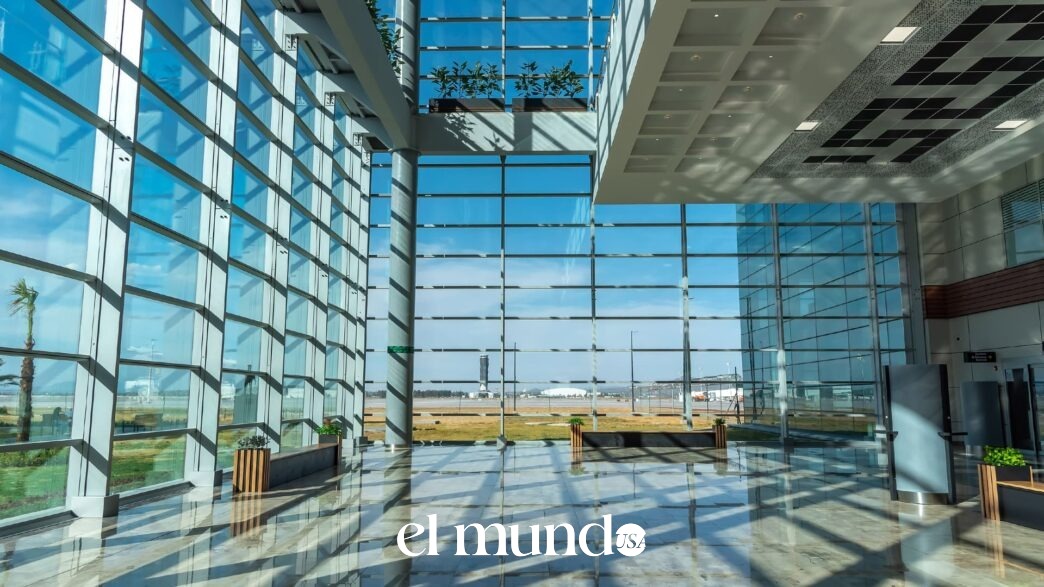
The airport features modern passenger amenities including dining options located before security screening and rental car counters. Its infrastructure supports multiple airlines and was designed to handle substantial passenger volumes. Road connections link the airport with Mexico City and the surrounding State of Mexico; however, peak traffic can contribute to longer travel times for ground transportation.
Role of Felipe Ángeles Airport in Mexico City’s Aviation Network
Felipe Ángeles Airport is part of a broader transportation strategy by the Mexican government to diversify air travel infrastructure and reduce pressure on the older Benito Juárez International Airport. As a complementary facility, AIFA allows airlines to operate additional flights and new destinations that may not have been feasible at the historic airport due to space limitations.
Travelers arriving at the airport should consider ground transportation logistics when planning trips to downtown Mexico City. While public transit offers the most affordable option, it can involve delays and transfers. Private car services typically afford faster transfers and are often used by business travelers and visitors less familiar with local transit.
Overall, Felipe Ángeles International Airport represents a modern expansion of the region’s air travel network, serving northern suburban populations while balancing ongoing accessibility challenges related to its distance from the city center. Enhancing coordination between local transit providers and improving connectivity remain essential to increasing convenience for airport users.
This airport is a significant component of Mexico’s current aviation landscape, designed to support projected growth in domestic and international air traffic serving the capital metropolitan area. With continued development of transportation links, Felipe Ángeles Airport is positioned as a strategic part of the region’s infrastructure.