A copperhead snakebite typically causes intense local pain, rapid swelling, bruising, and skin redness within minutes. Copperheads are found across much of the eastern and central United States, including parts of Florida and South Florida, making bite awareness a real safety issue for residents and visitors alike.
Symptoms of a copperhead bite
Victims may experience nausea, dizziness, or vomiting depending on individual reaction to the venom. In more serious cases, symptoms can escalate to difficulty breathing, changes in heart rate, blood blisters, and skin discoloration around the bite. Copperhead venom is hemotoxic, meaning it affects blood and tissue rather than the nervous system, and is generally less lethal than that of some other venomous snakes — but bites still require urgent medical evaluation, since reactions vary widely and serious complications can occur.
What NOT to do after a bite
Medical guidelines are clear that certain traditional first-aid methods can make a copperhead bite worse. Avoid these actions:
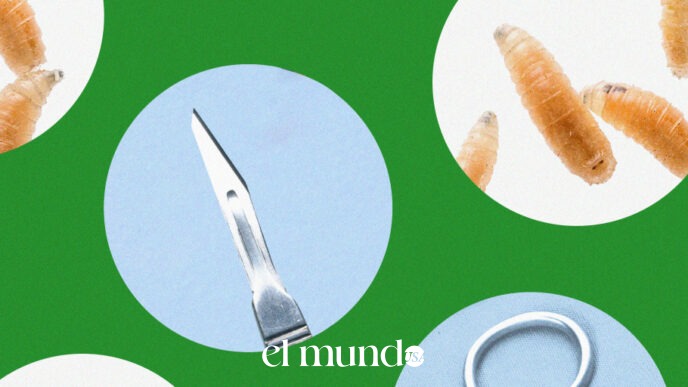
- Cutting the bitten area
- Applying ice directly to the wound
- Using a tourniquet
- Attempting to suck out the venom
- Tight bandaging
Instead, keep the patient calm and still, remove any restrictive items like jewelry or tight clothing to accommodate swelling, and get to a hospital as quickly as possible.
Treatment: antivenom is the standard of care
Antivenom remains the primary effective treatment for copperhead envenomation, neutralizing the venom and reducing the severity of symptoms. While no antivenom carries full FDA approval specifically for copperhead bites, some F(ab′)2 antivenoms have shown safety and effectiveness in clinical studies. Administering antivenom as soon as possible improves recovery and reduces the risk of long-term limb damage, including the ulcers and tissue damage seen in delayed or improperly treated cases.
When to seek emergency care
Public health resources and poison control centers classify copperhead bites as medical emergencies. If you or someone near you is bitten, call Poison Control at 1-800-222-1222 or go to the nearest emergency room immediately — do not wait to see if symptoms worsen. You can find more guidance from the CDC’s venomous snakes safety page.