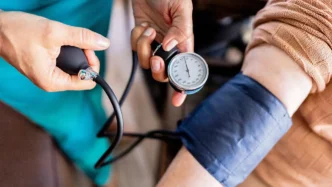
A clinical trial published by the American College of Cardiology has found that baduanjin, an 800-year-old Chinese exercise practice, produced blood pressure reductions comparable to some first-line medications in adults with Stage 1 hypertension. The study followed 216 adults age 40 and older over one year, revealing that participants who practiced the exercise five times per week experienced lower blood pressure within three months.
The findings offer a potential accessible and equipment-free option for individuals looking to manage their blood pressure through lifestyle changes. The practice takes about 10 minutes to complete and involves eight slow movements combined with gentle breathing and meditation techniques.
What the Clinical Trial Revealed
The year-long study examined 216 adults age 40 and older who had been diagnosed with Stage 1 hypertension. Participants were divided into groups that performed either baduanjin, self-directed exercise, or brisk walking as their primary physical activity.
Those who practiced baduanjin five times per week saw blood pressure reductions within three months of beginning the practice. At the one-year mark, baduanjin showed comparable results and a similar safety profile to brisk walking, according to the study findings.
Jing Li, M.D., Ph.D., the senior author of the study, emphasized the accessibility of the practice as a key benefit. “Given its simplicity, safety and ease at which one can maintain long-term adherence, baduanjin can be implemented as an effective, accessible and scalable lifestyle intervention for individuals trying to reduce their blood pressure,” Li stated.
What Is Baduanjin
Baduanjin has been practiced in China for at least 800 years. The practice consists of eight slow movements that are performed in conjunction with gentle breathing exercises and meditation. Unlike many exercise programs that require special equipment or gym memberships, baduanjin can be completed in approximately 10 minutes and requires no additional resources.
The combination of physical movement, controlled breathing, and meditative focus distinguishes baduanjin from conventional Western exercise approaches. The practice is designed to be gentle enough for individuals of various fitness levels while still providing measurable health benefits.
Medical Experts Respond to Findings
Dr. Matthew Saybolt, medical director of Hackensack Meridian Jersey Shore University Medical Center’s Structural Heart Disease Program, expressed surprise at the study results. “I was biased and expected that higher intensity exercise like brisk walking would have resulted in greater improvement in blood pressure than baduanjin, but the effects were the same,” Saybolt said.
Dr. Antony Chu, clinical assistant professor at Brown University’s Warren Alpert School of Medicine, offered perspective on the broader significance of such research. “These researchers are taking a lot of things that have been commonplace for many, many centuries or millennia and then just applying mathematical modeling and statistical analysis to sort of give them some credibility,” Chu explained.
Chu also highlighted the role that stress reduction may play in blood pressure management. “Western medicine is reactionary,” he noted. “People are totally stressed out. And stress reduction is huge.”
For those interested in incorporating similar practices into their daily routine, Chu offered practical advice: “Close the door in your office and just say, ‘I can’t be bothered for 10 minutes,’ and just focus on breathing slowly and moving your arms or legs around.”
What We Know So Far
The clinical trial provides evidence that baduanjin may offer a viable complementary approach to blood pressure management for adults with Stage 1 hypertension. The study confirmed that blood pressure reductions were observed within three months for participants who practiced the exercise five times weekly.
The research demonstrated that at the one-year follow-up, baduanjin produced comparable results to brisk walking in terms of both effectiveness and safety. The study results showed blood pressure reductions comparable to some first-line medications, though the practice should be considered a lifestyle intervention rather than a replacement for medical treatment.
The findings were published by the American College of Cardiology, one of the leading professional organizations for cardiovascular health research and clinical practice.
What Happens Next
The study results may encourage further research into traditional movement practices and their potential applications in modern preventive medicine. Healthcare providers and patients now have additional clinical evidence to consider when discussing lifestyle modifications for blood pressure management.
For individuals with Stage 1 hypertension who are seeking accessible exercise options, the study provides data supporting baduanjin as a practice worth considering in consultation with their healthcare providers. The minimal time commitment of approximately 10 minutes and the lack of required equipment make it a potentially practical option for many people.
Important Details About the Practice
Baduanjin requires no special equipment and can be performed in a relatively small space, making it accessible for home practice. The eight movements that comprise the practice are designed to be performed slowly and deliberately, in coordination with controlled breathing patterns.
According to the study, practicing baduanjin five times per week was the frequency associated with the observed blood pressure reductions. Participants in the study were age 40 and older with Stage 1 hypertension, so the findings are most directly applicable to individuals in similar circumstances.
The approximately 10-minute duration of a complete baduanjin session makes it a time-efficient option compared to many other exercise recommendations. The combination of physical movement and meditation may address both physical and stress-related factors that can influence blood pressure.
Frequently Asked Questions
How long does it take to complete baduanjin?
A complete baduanjin session takes approximately 10 minutes to perform. The practice involves eight slow movements combined with gentle breathing and meditation.
How often should baduanjin be practiced for blood pressure benefits?
According to the clinical trial, participants who practiced baduanjin five times per week experienced blood pressure reductions within three months. This frequency was associated with results comparable to brisk walking at the one-year mark.
Can baduanjin replace blood pressure medication?
The study found that baduanjin produced blood pressure reductions comparable to some first-line medications, but it should be considered a lifestyle intervention. Individuals should consult with their healthcare providers before making any changes to their medication regimens.
Who was included in the baduanjin blood pressure study?
The clinical trial studied 216 adults age 40 and older who had been diagnosed with Stage 1 hypertension. The study followed participants over one year as they performed either baduanjin, self-directed exercise, or brisk walking.
How old is the practice of baduanjin?
Baduanjin has been practiced in China for at least 800 years. The practice combines eight slow movements with gentle breathing and meditation techniques that have been passed down through centuries.
The clinical trial findings add to a growing body of research examining traditional practices through modern scientific methods. For adults with Stage 1 hypertension seeking accessible lifestyle interventions, baduanjin represents an option that has now been evaluated in a controlled clinical setting over a one-year period, with results published by the American College of Cardiology.