Federal health officials have identified a concerning connection between a widespread cyclospora outbreak and lettuce imported from Mexico that was supplied to the popular fast-food chain Taco Bell. The Centers for Disease Control and Prevention (CDC) announced on July 17, 2026, that thousands of Americans have fallen ill in what has become one of the most significant food safety incidents of the year.
What We Know About the Cyclospora Outbreak
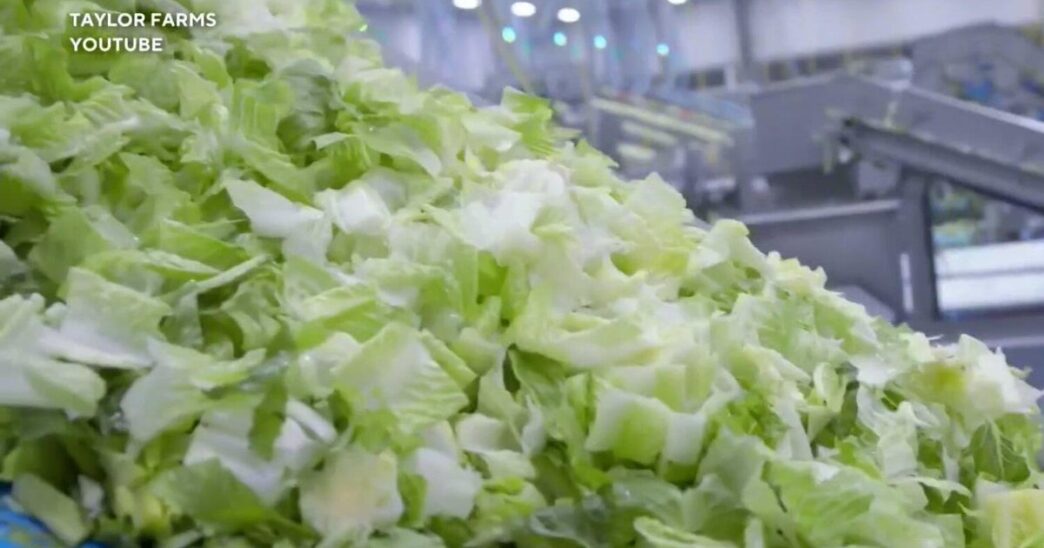
The cyclosporiasis outbreak has spread across multiple states, affecting consumers who dined at Taco Bell locations throughout the country. Health investigators have traced the contamination back to a lettuce supplier that sources its produce from Mexico. The CDC has been working closely with the Food and Drug Administration (FDA) and state health departments to contain the outbreak and identify all potentially affected products.
“A lettuce supplier to fast-food giant Taco Bell has been linked to a nationwide cyclosporiasis outbreak that has sickened thousands of people,” the CDC confirmed in its official statement.
Cyclospora cayetanensis is a microscopic parasite that causes an intestinal infection known as cyclosporiasis. The parasite is typically found in tropical and subtropical regions and is most commonly transmitted through contaminated food or water. Fresh produce, particularly leafy greens and herbs, are frequently associated with cyclospora outbreaks in the United States.
Symptoms and Health Risks of Cyclosporiasis
Individuals who may have consumed contaminated lettuce should be aware of the symptoms associated with cyclospora infection. The illness can be particularly severe for certain populations, including the elderly, young children, and those with compromised immune systems. Health officials urge anyone experiencing symptoms to seek medical attention promptly.
Common symptoms of cyclosporiasis include:
- Watery diarrhea that can last for weeks if untreated
- Loss of appetite and significant weight loss
- Stomach cramps and bloating
- Increased gas and nausea
- Fatigue and general malaise
- Low-grade fever
- Body aches and flu-like symptoms
The incubation period for cyclospora infection typically ranges from one week to several weeks after consuming contaminated food. Without proper treatment, symptoms can persist for an extended period, making early diagnosis and antibiotic therapy essential for recovery.
Food Safety Measures and Consumer Guidance
In response to the outbreak, health authorities have issued several recommendations for consumers concerned about their risk of exposure. While Taco Bell has not yet issued a public statement regarding the outbreak, the CDC continues to investigate the full scope of the contamination and which specific products may be affected.
Consumers should take the following precautions:
- Monitor for symptoms if you have recently eaten at Taco Bell
- Seek medical attention if you experience persistent diarrhea or other concerning symptoms
- Keep receipts or records of recent restaurant visits to assist health investigators
- Stay informed through official CDC and FDA announcements
- Wash all fresh produce thoroughly before consumption
This outbreak serves as a reminder of the importance of food safety protocols throughout the supply chain, from farm to table. Mexican produce imports have been linked to previous cyclospora outbreaks in the United States, prompting ongoing discussions about enhanced inspection and safety measures for imported fresh produce.
Impact on the Latino Community
The outbreak has particular relevance for the Latino community in the United States, where Taco Bell and similar fast-food establishments are popular dining options. Additionally, concerns about Mexican agricultural exports could have broader implications for trade relations and the thousands of workers employed in the cross-border produce industry.
Health officials emphasize that this outbreak should not stigmatize Mexican produce as a whole, noting that the vast majority of imported food is safe for consumption. However, the incident highlights the need for continued vigilance and robust food safety systems to protect public health on both sides of the border.