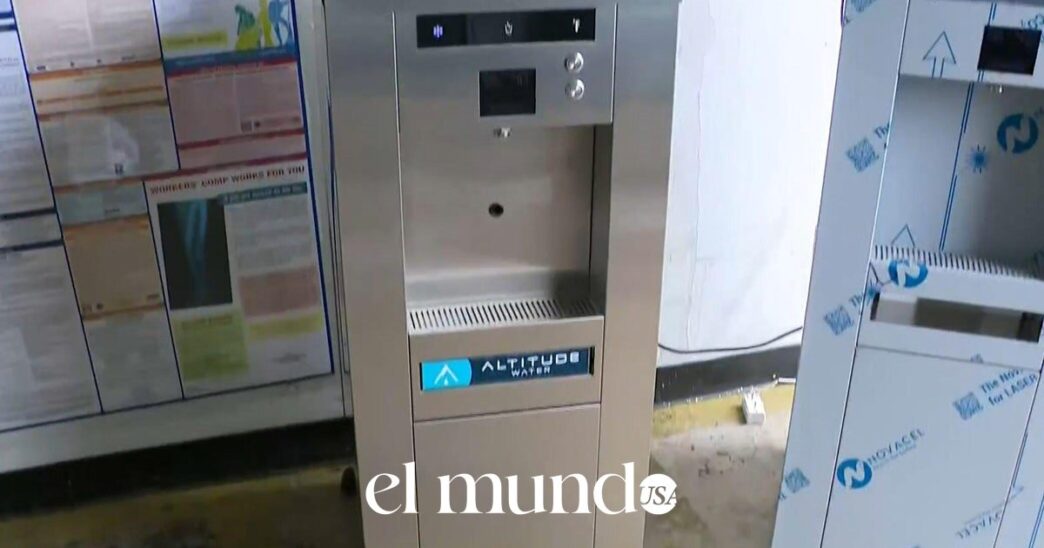
As Puerto Rico grapples with a record-breaking drought that has left thousands without running water, a South Florida company is deploying innovative technology to provide critical relief. The Puerto Rico drought crisis has prompted Altitude Water to send machines capable of extracting water directly from the air, offering a lifeline to communities facing severe water shortages.
The situation on the island has reached a critical point, with water rationing measures now affecting an estimated 180,000 customer accounts. This could translate to hundreds of thousands of residents losing access to water for 48 hours across several cities, creating widespread hardship for families throughout the U.S. territory.
How Air-to-Water Technology Works
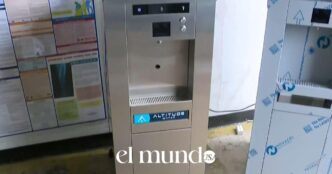
Jeffrey Szur, CEO of Altitude Water, explained the fascinating science behind these machines during an exclusive look at the manufacturing process shared with CBS News Miami. The technology harnesses the natural humidity present in tropical climates to create drinkable water.
“We make water from the thin air. We basically take the warm, moist air that we have in Florida, Puerto Rico…and we extract the water.”
Workers at the South Florida facility are putting final touches on the machines, each capable of producing 380 gallons of water. This innovative approach to water generation represents a significant technological advancement that could benefit communities facing water scarcity worldwide.
The atmospheric water generation technology works by pulling moisture from humid air and condensing it into clean, drinkable water. Given Puerto Rico’s tropical climate with high humidity levels, these conditions are ideal for maximizing the machines’ water production capabilities.
Puerto Rico Water Rationing Impact
The machines arrive at a critical moment as Puerto Rico begins rationing water to manage the drought’s devastating effects. The rationing requirements have sparked significant frustration among island residents, who have directed criticism toward the territorial government’s handling of the crisis.
For families affected by the 48-hour water shutoffs, daily life becomes extremely challenging. Basic activities like cooking, bathing, and cleaning become difficult to manage, particularly for households with elderly members, young children, or individuals with medical conditions requiring consistent water access.
The drought conditions represent one of the most severe water crises the island has faced, pushing infrastructure and resources to their limits. Residents across multiple cities are now forced to plan their water usage around rationing schedules.
South Florida Company Steps Up
Altitude Water’s response demonstrates how mainland businesses can provide crucial support during natural disasters affecting U.S. territories. The company’s decision to ship these specialized machines shows private sector innovation addressing public emergencies.
A distributor in Puerto Rico has ordered nearly 100 machines of different sizes to help address the water shortage. While this won’t solve the entire drought problem, it represents a meaningful contribution to alleviating the crisis affecting island communities.
The variety of machine sizes allows for deployment across different settings, from individual households to community centers and small businesses. This flexibility makes the technology adaptable to various needs throughout the affected regions.
New Technology Benefits for Families
Szur emphasized the humanitarian motivation behind the company’s efforts, expressing hope that the technology can ease the burden on Puerto Rican families during this difficult time. The CEO highlighted how this represents more than just a business transaction.
“We’re looking to be there to help and show a new way, a new technology that will benefit them and their families.”
For Latino families both on the island and in the mainland United States with relatives in Puerto Rico, this technology offers a glimpse of hope. The ability to generate water independently of municipal systems provides a measure of security during infrastructure failures.
The air-to-water machines could prove especially valuable for vulnerable populations, including senior citizens and families with young children who are most affected by water shutoffs. Having an alternative water source can make a significant difference in maintaining daily routines.
What Puerto Rico Residents Need to Know
Residents in affected areas should stay informed about rationing schedules in their specific cities. Local authorities are providing updates on which neighborhoods will experience water shutoffs and when service will be restored.
Families should take steps to prepare for the 48-hour periods without running water:
- Store water in clean containers before scheduled shutoffs
- Prioritize water for drinking and essential cooking
- Limit non-essential water use during periods of service
- Check on elderly neighbors and family members who may need assistance
The distribution of nearly 100 air-to-water machines throughout the island will take time, and residents should monitor local announcements about where these units will be placed for community access.
Broader Implications of the Water Crisis
The Puerto Rico drought highlights the vulnerability of island territories to climate-related disasters and infrastructure challenges. As extreme weather events become more frequent, innovative solutions like atmospheric water generation may become increasingly important.
For the broader Latino community in the United States, this crisis serves as a reminder of the ongoing challenges facing family members and friends in Puerto Rico. Many mainland residents send support to relatives on the island during emergencies like this one.
The response from Altitude Water also demonstrates how Florida businesses, given their geographic proximity and cultural connections to Puerto Rico, can play a vital role in disaster relief efforts. The shared tropical climate makes the technology particularly well-suited for both regions.
Future Water Security Solutions
While the air-to-water technology won’t single-handedly solve Puerto Rico’s drought, it points toward future solutions for water-scarce regions. The technology’s ability to function independently of traditional water infrastructure makes it valuable for emergency preparedness.
Communities throughout the Caribbean and other drought-prone areas may benefit from similar technology deployment. The success of these machines in Puerto Rico could pave the way for broader adoption across vulnerable regions.
For families considering their own emergency preparedness, understanding technologies like atmospheric water generation provides insight into options available during water crises. As climate patterns continue to shift, having backup water sources becomes increasingly important.
The ongoing situation in Puerto Rico deserves continued attention from mainland communities. The 180,000 customer accounts affected represent real families facing real hardship, and solidarity from the broader Latino community can make a meaningful difference during this challenging time.
How do the air-to-water machines work?
The machines extract moisture from warm, humid air and condense it into drinkable water. Each machine can produce 380 gallons of water, making them effective in tropical climates like Puerto Rico and South Florida where humidity levels are high.
How many people are affected by Puerto Rico’s water rationing?
The water rationing requirements impact an estimated 180,000 customer accounts, which could translate to hundreds of thousands of people losing water access for 48 hours across several cities throughout the U.S. territory.
How many air-to-water machines are being sent to Puerto Rico?
A distributor in Puerto Rico has ordered nearly 100 machines of different sizes from Altitude Water. While this won’t solve the drought entirely, the company hopes it will help alleviate some of the water shortage affecting island residents.