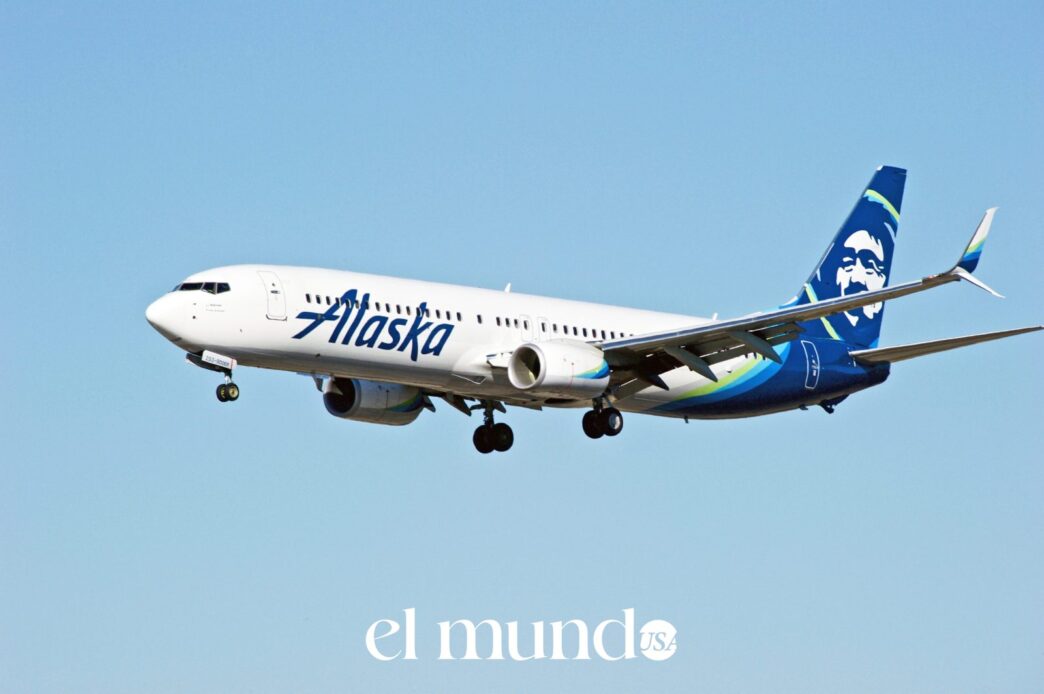
An Alaska Airlines flight was placed under cockpit lockdown at Miami International Airport on August 9, 2026, after a passenger allegedly threatened to “take over” the aircraft moments after pushing back from the gate. The incident on Flight AS-305 prompted pilots to immediately engage emergency protocols, bringing the Boeing 737 to a halt before it could taxi to the runway.
What Happened on Alaska Flight 305
The transcontinental service to Seattle had just been released from the pushback tug and was preparing to begin its six-hour journey when the situation escalated rapidly. Within moments of starting to taxi, pilots informed the airport tower that they had slammed on the brakes and initiated lockdown procedures.
According to cockpit-to-tower audio obtained by Enhanced Radar, one of the pilots communicated urgently with ground control. The pilot stated: “Ramp, Alaska 305, we have set the parking brake and we have a customer disturbance on board right now, with threats coming from customers. We want to go into a lockdown protocol. We are shutting down the engine, and parking brake set.”
The situation intensified as flight attendants relayed alarming information to the cockpit. The pilot provided an update to the tower explaining that crew members had received direct threats from passengers aboard the aircraft.
“The flight attendants have received threats from customers on board the aircraft… the last thing we heard from the flight attendant is that we had a customer threat to take the aircraft over.”
Emergency Response and Passenger Removal
Although the aircraft remained close to gate E6 where it had just departed, a logistical challenge emerged. The pushback tug had already been disconnected from the plane, creating a short delay as pilots worked to reconnect with ground workers and get the tug reattached so the Boeing 737 could be safely towed back to the gate.
Law enforcement officers from the Miami-Dade Sheriff’s Office Airport District responded to the scene at approximately 6:40 p.m. Deputies arrived at the gate after a flight attendant reported possible suspicious activity involving passengers aboard the aircraft.
Out of an abundance of caution, all passengers were temporarily deplaned while deputies conducted a thorough investigation of the incident. The two individuals involved in the disturbance were removed from the flight and temporarily banned from flying with Alaska Airlines.
Investigation Findings and Flight Resumption
After a comprehensive review, the Miami-Dade Sheriff’s Office determined there was no credible threat to the safety of passengers or crew. The two individuals who caused the disturbance were rebooked on another flight, though Alaska Airlines confirmed they face a temporary ban from the carrier.
A spokesperson for the Miami-Dade Sheriff’s Office released a statement explaining: “The investigation determined there was no credible threat. The two individuals involved were rebooked on another flight. The aircraft was cleared, passengers were permitted to reboard, and the flight continued without further incident.”
According to flight data supplied by Flight Radar 24, the service was delayed until 8:48 p.m. at the earliest. Alaska Airlines issued an apology to affected passengers for the inconvenience caused by the disruption.
Alaska Airlines Official Response
In an official statement provided via email, Alaska Airlines confirmed the details of the incident and praised their crew’s handling of the dangerous situation. The airline emphasized their commitment to passenger safety above all other considerations.
“On August 9, two guests onboard Alaska Airlines Flight 305 from Miami (MIA) to Seattle (SEA) were disruptive during the aircraft’s taxi. The aircraft returned to the gate where it was met by law enforcement and the passengers were removed and temporarily banned from flying with us,” the airline stated.
The carrier continued: “The flight then continued its journey to Seattle. The safety of our guests and crew is always our highest priority. We appreciate our employees’ professionalism and apologize to our guests for the delay and inconvenience.”
Understanding Unruly Passenger Threat Levels
Airlines worldwide use an internationally recognized matrix to classify and report the level of threat posed by unruly passengers during flights. This standardized system helps crews respond appropriately and ensures consistent reporting across the aviation industry.
The classification system includes three distinct threat levels that guide crew response protocols:
- Level 1 – Disruptive Behavior: This category includes belligerent behavior, failing to follow lawful orders from crew members, and verbal disturbances such as swearing and cursing at staff or other passengers.
- Level 2 – Physically Abusive Behavior: This escalated category involves physical contact between the unruly passenger and another passenger or crew member, including punching, shoving, or pushing.
- Level 3 – Life Threatening Behavior: The most severe classification involves the use of or threat of a weapon, as well as physical behavior that could threaten the safety of the aircraft and everyone aboard.
The threat made on Alaska Flight 305 to “take over” the aircraft would typically fall under the most serious category, prompting the immediate cockpit lockdown response witnessed at Miami International Airport.
What Travelers Should Know About In-Flight Safety
This incident serves as a reminder of the strict protocols airlines have in place to protect passengers and crew members. When pilots initiate a lockdown protocol, the cockpit is secured and all communication shifts to coordinating with ground control and law enforcement.
Flight attendants are trained to handle escalating situations and communicate rapidly with the flight deck when passenger behavior poses potential risks. The quick response on Flight AS-305 demonstrates how crew training can effectively neutralize threats before they escalate further.
Passengers who witness disruptive behavior should alert flight attendants immediately without attempting to intervene directly. Airline staff are equipped with specific procedures to handle these situations while maintaining safety for everyone aboard.
Consequences for Disruptive Passengers
The temporary ban issued to the two passengers involved represents just one potential consequence of unruly behavior on aircraft. Airlines maintain internal no-fly lists and can share information with other carriers in severe cases.
Federal authorities may also pursue criminal charges depending on the nature and severity of threats made aboard commercial aircraft. The FAA has maintained a strict zero-tolerance policy toward unruly passenger behavior since the pandemic-era peak in 2021.
Travelers should understand that making threats aboard aircraft, even if later deemed not credible, can result in removal from flights, temporary or permanent airline bans, and potential federal prosecution. The aviation industry takes every threat seriously to ensure the safety of millions of daily travelers.
Frequently Asked Questions
What is a cockpit lockdown protocol?
A cockpit lockdown protocol is an emergency procedure where pilots secure the flight deck and coordinate with ground control and law enforcement. This is initiated when there is a potential threat to aircraft safety, as occurred on Alaska Flight 305 at Miami International Airport.
What happened to the passengers who caused the disturbance?
The two passengers were removed from the aircraft by Miami-Dade Sheriff’s Office deputies, temporarily banned from flying with Alaska Airlines, and rebooked on another flight after the investigation determined there was no credible threat.
How long was the flight delayed?
According to Flight Radar 24 data, Alaska Flight 305 was delayed until 8:48 p.m. at the earliest. The flight eventually continued its journey to Seattle after passengers were permitted to reboard.
What are the threat levels for unruly passengers?
Airlines use an internationally recognized three-level system: Level 1 covers disruptive behavior like verbal disturbances; Level 2 involves physically abusive behavior such as pushing or shoving; Level 3 addresses life-threatening behavior including weapon threats or actions endangering the aircraft.