An Iranian woman is among approximately two dozen migrants set to arrive in the Central African Republic on Friday following a deportation flight from the United States. The flight departed Louisiana late Thursday as part of the Trump administration’s policy of deporting migrants to third countries that are not their nations of origin.
The deportation comes despite the fact that the Iranian woman had previously been granted court protection against deportation to Iran due to credible fears of persecution based on politics or religion. She is being sent instead to the Central African Republic, one of at least nine African nations that has agreed to accept third-country nationals deported by the United States under often-secret agreements.
Main Developments
Three Iranian women were originally scheduled for deportation to the Central African Republic on this flight. However, two of them received emergency court orders that temporarily halted their deportation. All three women had been granted court protection against deportation to Iran based on credible fears of persecution related to their political beliefs or religious practices.
An elderly Syrian man who was also scheduled for deportation received an emergency temporary order halting his removal from the United States. The legal interventions highlight the ongoing court battles surrounding the administration’s third-country deportation policy.
Ali Rahnama, head of the Iranian American Legal Defense Fund, and immigration lawyer Sahar Jalili Pawelski have been involved in legal efforts on behalf of the Iranian women. Attorney Margaret Stock has represented the elderly Syrian man in his case.
What We Know So Far
The deportation flight left Louisiana late Thursday, carrying around two dozen migrants to the Central African Republic. The passengers are expected to arrive on Friday in Bangui, the capital of the Central African Republic.
The Trump administration has deported thousands of people to nearly two dozen countries that are not the migrants’ home nations. The Central African Republic is among at least nine African nations that have entered into agreements to accept these third-country deportees from the United States.
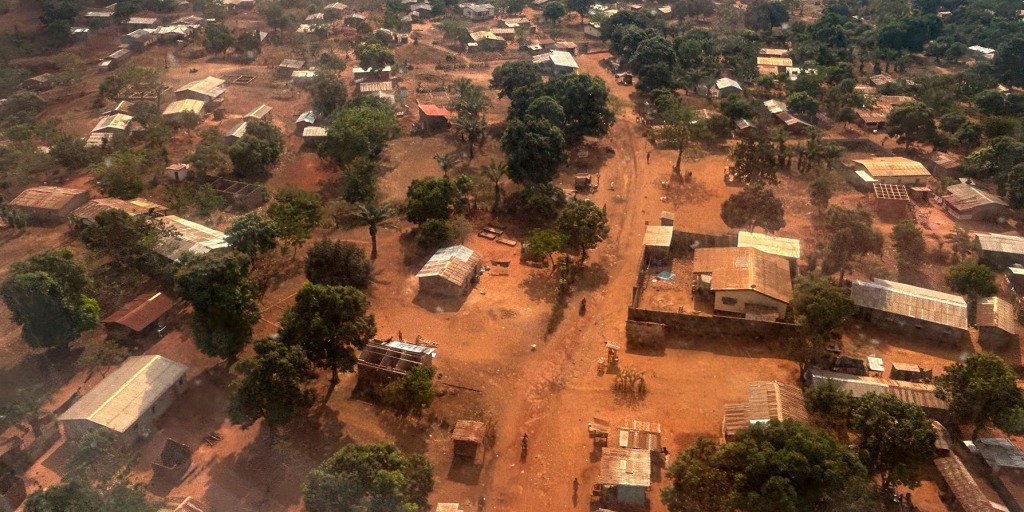
The Central African Republic faces significant economic challenges. One in three people in the country live on less than two dollars a day. Additionally, Wagner, a Russian mercenary group, has been responsible for President Faustin-Archange Touadera’s security.
What Happens Next
The two Iranian women who received emergency court orders face pending legal reviews that will determine whether their deportations can proceed. The elderly Syrian man is in a similar situation, with courts set to review his case.
The status of the Iranian woman who did not receive an emergency court order remains part of the ongoing deportation process. She is expected to be among those arriving in the Central African Republic on Friday.
The Department of Homeland Security declined to comment on the operation. Immigration and Customs Enforcement did not respond to requests for information about the deportation flight.
Important Details
The deportation to the Central African Republic represents a continuation of the administration’s approach to immigration enforcement through third-country agreements. These arrangements allow the United States to deport migrants to nations other than their countries of origin.
The legal protections that had been granted to the Iranian women against deportation to Iran were specifically based on credible fears of persecution. These protections related to potential harm the women could face due to their political beliefs or religious practices if returned to Iran.
The emergency court orders that temporarily halted deportations for two of the Iranian women and the Syrian man demonstrate that legal challenges to these third-country deportations continue to work through the court system.
The Central African Republic’s agreement to accept deportees from the United States places it among a growing number of African nations participating in such arrangements. The details of these agreements have often remained undisclosed to the public.
Context on the Destination Country
Migrants arriving in the Central African Republic will enter a country facing substantial economic hardship. With one-third of the population living on less than two dollars per day, the nation represents one of the poorest countries in the world.
President Faustin-Archange Touadera leads the Central African Republic’s government. His security has been provided by Wagner, the Russian mercenary group, which has maintained a presence in the country.
Frequently Asked Questions
Where is the US deportation flight going?
The deportation flight is heading to the Central African Republic, specifically to Bangui. The flight departed Louisiana late Thursday and migrants are expected to arrive Friday.
Why are migrants being sent to countries that are not their home nations?
The Trump administration has established agreements with multiple countries, including at least nine African nations, to accept third-country nationals deported from the United States. The details of these agreements have often remained secret.
How many migrants are on the deportation flight?
Approximately two dozen migrants are on the deportation flight to the Central African Republic. The exact number has not been confirmed by authorities.
Did any migrants receive legal protection from deportation?
Two of three Iranian women originally scheduled for deportation received emergency court orders temporarily halting their removal. An elderly Syrian man also received an emergency temporary order stopping his deportation.
What happens to migrants deported to the Central African Republic?
Specific details about what happens to migrants upon arrival in the Central African Republic have not been disclosed. The country faces significant poverty, with one in three residents living on less than two dollars a day.
Legal Challenges Continue
The emergency court orders granted to some migrants scheduled for this deportation flight indicate that legal battles over third-country deportations remain active in the courts. Immigration attorneys have argued that sending migrants with credible fears of persecution to third countries raises significant legal and humanitarian concerns.
The three Iranian women in this case had all previously received court protection against deportation to Iran specifically because of documented fears of persecution. Their cases highlight the complex legal questions surrounding the deportation of protected individuals to third countries.
As the deportation flight arrives in the Central African Republic on Friday, the legal proceedings for those who received emergency stays will continue in United States courts. The outcomes of these cases could have implications for future third-country deportations involving individuals with existing court protections.