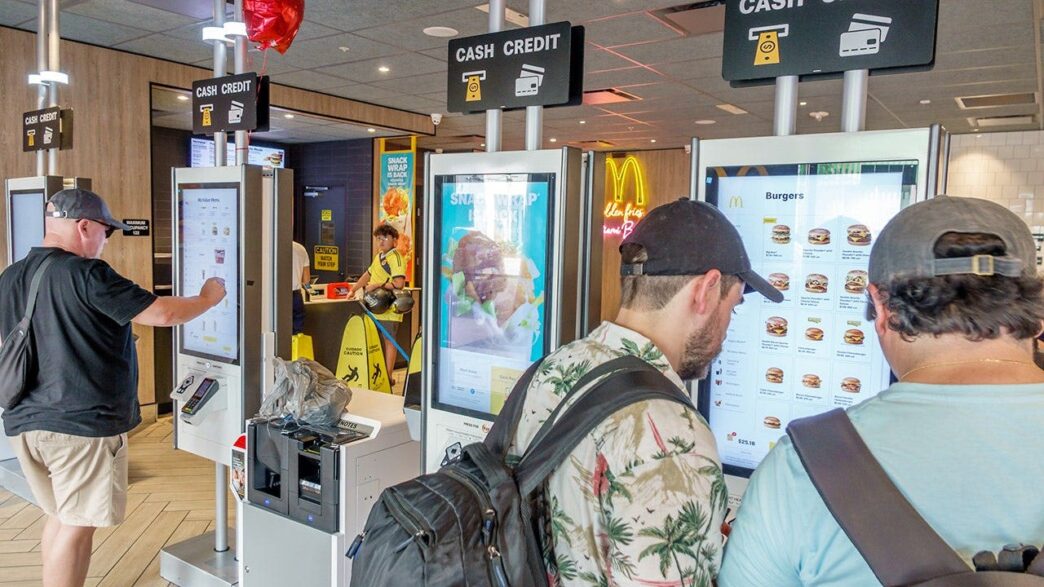
McDonald’s recent pricing of its McDouble burger at $2.50 has sparked widespread reactions across the United States, highlighting consumer concerns over the increasing fast food prices. Once available for 99 cents a decade ago, the McDouble now represents a larger expense for those seeking affordable meal options.
Regional Variations and Industry-Wide Price Increases
Consumers at McDonald’s and other fast food chains in various parts of the country have reported surprise at menu prices that no longer fit the long-standing perception of fast food as an economical choice. This pricing trend corresponds with broader increases driven by inflation, supply chain disruptions, and labor cost growth across the fast food industry.
Data from 2026 show that fast food prices have risen significantly in numerous states, with geographic disparities in the extent of increases. For instance, the average price for a medium cheese pizza in Hawaii reached $18.99, the highest in the nation. Such elevated prices contribute to ongoing concerns about food affordability at both the state and local levels.
Impact on Consumers and Food Affordability
Reports between March and May 2026 indicate that millions of Americans visiting fast food drive-thrus faced menu prices that strained household budgets. Longstanding value menus have been reduced or adjusted, limiting lower-cost meal options for many consumers.
The Consumer Price Index (CPI) documented a 0.1 percent increase in overall food prices from February to March 2026, resulting in a 2.7 percent rise compared to March 2025. These inflationary trends affect fast food items directly due to their sensitivity to changes in commodity prices and labor expenses.
Economic Analysis and Industry Responses
Experts at the U.S. Department of Agriculture’s Economic Research Service emphasize that rising food prices impact households nationwide, with the heaviest burdens falling on lower-income groups trying to maintain access to affordable meals. The increased costs at fast food establishments have generated discussions about the accessibility of convenient dining options within the current economic environment.
Fast food operators, including McDonald’s, have raised menu prices partly to offset higher wages, raw material costs, and investments in technology and sustainability efforts. These changes have contributed to fluctuating customer traffic in 2026, with some locations experiencing decreased patronage and others initiating promotions to maintain customer engagement.
Public responses, notably on social media and video platforms, reflect growing dissatisfaction as users comment on the loss of fast food’s traditionally low-cost status and the added difficulty of budgeting for meals.
Broader Trends in Food Pricing and Consumer Patterns
The recent price adjustments at fast food chains mirror larger shifts within the American food economy, where cost pressures are affecting grocery stores, restaurants, and food production sectors. These developments continue to influence dining patterns in regions including Miami, South Florida, and across the United States.