
UNESCO designated 58 new cities to join its Creative Cities Network in 2026, expanding a global initiative that uses creativity as a catalyst for sustainable urban development. This latest announcement by UNESCO Director-General Audrey Azoulay brought the total membership to over 300 cities worldwide.
The network promotes collaboration among cities excelling in creative fields to strengthen cultural industries and foster inclusive growth.
New U.S. Cities Join the UNESCO Creative Cities Network
Among the newly designated Creative Cities, several are located in the United States, which now has nine cities recognized in the network. The U.S. ranks second globally in the number of Creative Cities after China. These U.S. cities represent diverse creative sectors including literature, crafts and folk art, media arts, music, gastronomy, and design.
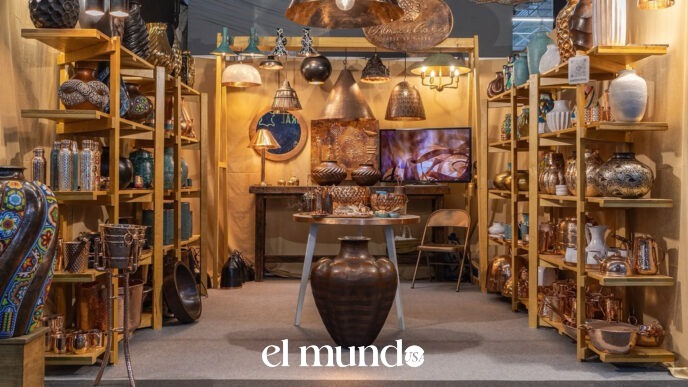
Santa Fe, New Mexico, was one of the earliest U.S. cities designated, joining in 2005 with a focus on crafts and folk art. Paducah, Kentucky, followed in 2013 under the same category. More recent additions include Iowa City, Iowa, recognized as a City of Literature, and Austin, Texas, designated for media arts. San Antonio, Texas, and Tucson, Arizona earned their titles for gastronomy, while Kansas City, Missouri holds status for music.
Detroit, Michigan, was included for design, illustrating the range of creative disciplines recognized by UNESCO across the country. Seattle, Washington, is also part of the network, designated as a City of Literature, further highlighting its literary culture. Tucson’s designation for gastronomy reflects the growing importance of culinary arts in cultural identity and urban innovation.
Purpose and Global Reach of the UNESCO Creative Cities Network
The UNESCO Creative Cities Network was established in 2004 to encourage cooperation among cities that prioritize creativity in their development strategies. Participating cities commit to sharing best practices, supporting creative industries, and integrating culture into sustainable urban policies. The goal is to enhance quality of life, boost economic growth, and promote international cooperation through arts and culture.
The network covers a wide range of creative categories globally, including architecture, crafts and folk art, design, film, gastronomy, literature, media arts, and music. Recent additions include cities specializing in architecture such as Bistrita, Romania, and Lusail, Qatar, as well as gastronomy cities like Al-Madinah Al-Munawwarah, Saudi Arabia.
Significance for U.S. Cities and Cultural Industries
For U.S. cities, membership in the UNESCO Creative Cities Network brings international recognition and fosters opportunities for cultural exchange and tourism. It also underscores the role of creative industries as drivers of economic growth in urban environments. Since its inception, the network has expanded to include prominent cities worldwide, forming a diverse community that emphasizes culture as a foundation for sustainable development.
The expansion of the UNESCO Creative Cities Network highlights the growing importance of creativity in urban planning and economic resilience across the United States and globally.