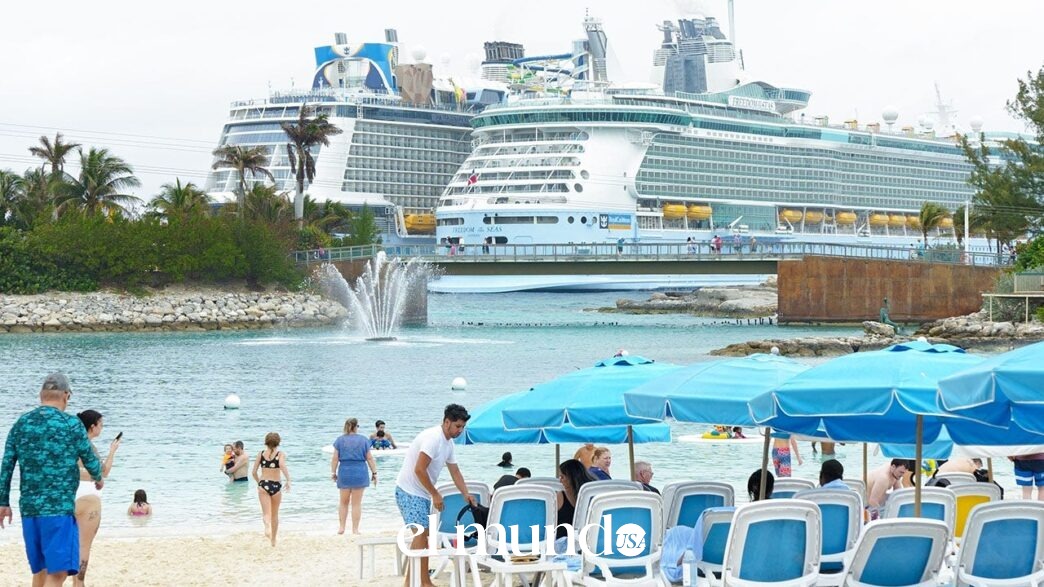
A temporary alcohol ban took effect on May 12 at CocoCay, a private island in the Bahamas frequently visited by major Caribbean cruise lines. This ban required cruise passengers to abstain from consuming alcohol for a 24-hour period while on the island, directly affecting travelers aboard vessels operated by Royal Caribbean.
Details of the Alcohol Ban and Royal Caribbean’s Policy
Royal Caribbean enforced a strict prohibition on alcohol consumption for passengers once they arrived on CocoCay. The policy aimed to comply with a new local law enacted by Bahamian authorities that banned possession and consumption of alcoholic beverages on the island during the specified ban period. Passengers were restricted from carrying alcohol ashore or purchasing drinks on site until the ban was lifted.
Passenger Reactions and Industry Contrasts
The ban prompted dissatisfaction among cruise passengers, many of whom expressed frustration over the sudden change impacting their vacation experience. Passengers accustomed to drinking during shore excursions viewed the ban as an inconvenience. Some critics shared their complaints on social media and public online forums.
In contrast, other cruise companies such as Carnival Cruise Line did not enforce a similar alcohol ban during their regional port stops. Carnival’s policies allowed passengers to continue alcohol consumption without interruption, demonstrating different approaches to adhering to local regulations across cruise operators.
Regulatory Context and Cruise Industry Compliance
The Bahamian authorities implemented the alcohol ban amid broader efforts to regulate beverage sales and public consumption in tourist areas. The Bahamas relies heavily on cruise tourism, with private islands like CocoCay attracting millions of visitors annually. Although specific government statements were limited, the ban appears linked to public safety or regulatory intentions.
Cruise lines typically maintain rules on passenger conduct regarding alcohol, including limits on carrying alcoholic beverages aboard ships. Travelers may usually bring one bottle of wine or champagne per adult, while other beverages are sold onboard. The local ban at CocoCay represented an additional compliance requirement extending to shore excursions.
Enforcement and Impact on Cruise Operations
Enforcement involved cruise staff informing passengers of the restrictions before and during arrival at the island. Passengers who did not comply risked penalties such as denial of shore access or disciplinary actions coordinated with Bahamian officials. The ban highlighted the authority local governments have over cruise operations in Caribbean destinations.
The temporary nature of the ban suggested a limited enforcement window, after which normal alcohol sales would resume. However, the sudden implementation created logistical challenges for cruise itineraries and affected passenger satisfaction. The ban impacted a wide range of travelers, from casual tourists to experienced cruisers accustomed to social alcohol consumption onshore.
Passengers during the ban period still had access to other amenities on CocoCay, including snorkeling, water parks, and beaches, illustrating how changes in local regulations can quickly affect cruise patterns and visitor expectations in the Caribbean region.