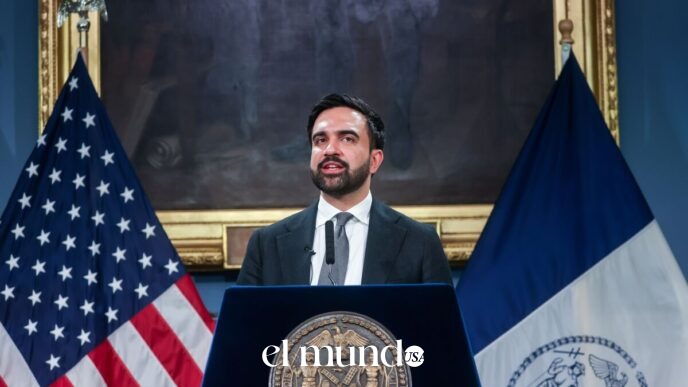
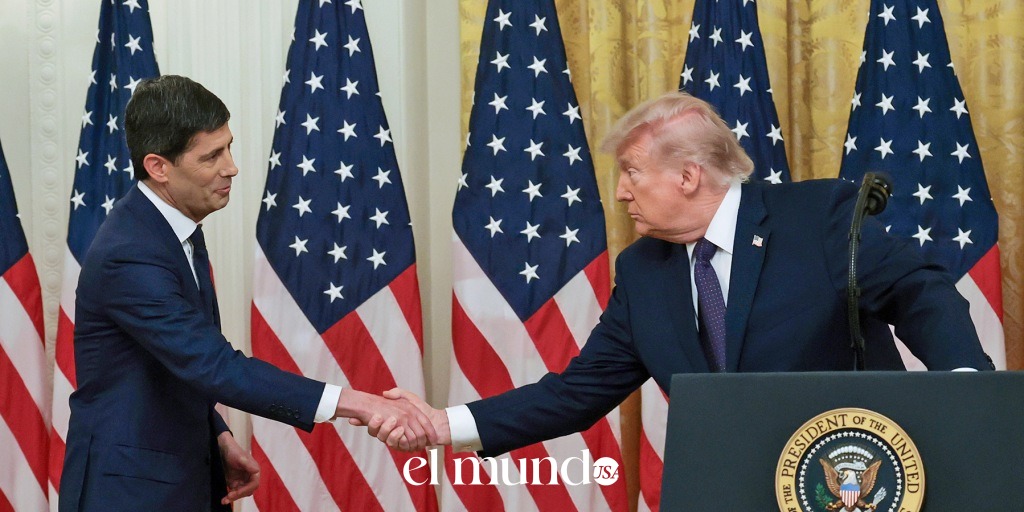
Kevin Warsh was sworn in Friday as the new chair of the Federal Reserve at a ceremony held in the White House East Room, marking the first time since 1987 that a Fed chair has taken the oath at the presidential residence. Supreme Court Justice Clarence Thomas administered the oath to Warsh, who now leads the nation’s central bank during a period of elevated inflation and growing uncertainty about the direction of interest rates.
The Senate confirmed Warsh on May 13 in a 54-45 party-line vote, with Pennsylvania Senator John Fetterman being the only Democrat to vote in favor of his confirmation. Warsh previously served as a Federal Reserve governor from 2006 to 2011, giving him direct experience with the institution he now leads.
Historic White House Ceremony
The swearing-in ceremony at the White House East Room carries historical significance. The last Federal Reserve chair to be sworn in at the White House was Alan Greenspan in 1987, nearly four decades ago. The decision to hold the ceremony at the presidential residence signals the importance the Trump administration places on the Federal Reserve leadership transition.
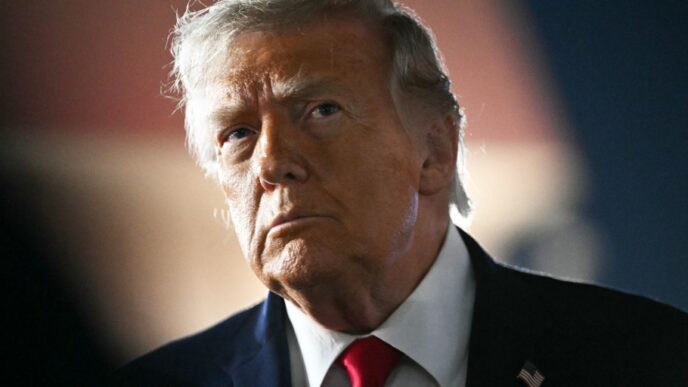
During the ceremony, President Donald Trump expressed his expectations for the new Fed chair. “I want Kevin to be totally independent and just do a great job,” Trump stated at the event.
For his part, Warsh pledged to lead what he described as a reform-oriented Federal Reserve. “I will lead a reform-oriented Federal Reserve,” Warsh said, though specific details of his reform plans have not been disclosed. He also acknowledged the Fed’s role in broader economic outcomes, stating that “the Fed has something to do with it” when discussing raising living standards for Americans.
What We Know So Far
Warsh inherits leadership of the Federal Reserve at a challenging economic moment. Inflation has surged to 3.8 percent, well above the Fed’s traditional 2 percent target. Gas prices have jumped more than 50 percent since February, adding pressure to household budgets across the country.
The energy price increases are connected to significant geopolitical developments. President Trump launched a war with Iran on February 28, 2026, and the resulting disruption to the Strait of Hormuz has shut off more than 20 percent of the world’s oil supplies. This supply shock has contributed to the rapid rise in fuel costs that Americans are experiencing.
The combination of elevated inflation and energy price pressures has created an environment where economists broadly agree that lowering interest rates is not advisable at this time. This consensus stands in tension with previous statements from President Trump about his preferences for Federal Reserve policy.
Rate Cut Expectations Dim
Despite President Trump’s past statements about wanting a Fed chair who favors lower interest rates, the current economic conditions make such cuts increasingly unlikely. In December, Trump had described his ideal Fed chair candidate as “someone who believes in lower interest rates, by a lot.” Trump also said at that time that Warsh “would not have gotten the job” if he did not want to cut rates.
However, the inflationary environment has shifted the conversation within the Federal Reserve. Fed governor Christopher Waller, himself a Trump appointee, recently delivered remarks that suggest rate cuts are far from certain. “I can no longer rule out rate hikes further down the road if inflation does not abate soon,” Waller said. He added that he wants to “make it clear that a rate cut is no more likely in the future than a rate increase.”
These comments from a Trump-appointed Fed official underscore the institution’s data-dependent approach and the challenges facing monetary policy in the current environment.
What Happens Next
Warsh will chair his first Federal Open Market Committee meeting in three weeks. The FOMC is the Fed’s monetary policy-making body, and its meetings result in decisions about interest rates and other policy tools. This initial meeting will provide the first indication of how Warsh plans to approach his new role and navigate the competing pressures he faces.
The Federal Reserve is also awaiting a Supreme Court decision regarding President Trump’s attempt to fire Fed governor Lisa Cook. The outcome of this case could have implications for the independence of the central bank and its board composition, though the specific status and timeline of the case remain unclear.
Treasury Secretary Scott Bessent has weighed in on the rate situation, saying in a mid-April CNBC interview that the Fed “understands” the need to wait before cutting rates. This suggests coordination in messaging between the Treasury Department and the Federal Reserve about the current policy stance.
Trump’s Shifting Tone on Fed Independence
President Trump’s recent comments suggest a more hands-off approach to the Federal Reserve than his campaign rhetoric indicated. In an interview with the Washington Examiner, Trump said, “I’m going to let him do what he wants to do.” He added praise for Warsh, saying, “He’s a very talented guy, he’s going to be fine, he’s going to do a good job.”
Trump has also expressed confidence in his own economic knowledge, stating that he understands the economy “better than almost anybody.” This self-assessment came alongside his statements about allowing Warsh independence in his new role.
During Warsh’s confirmation hearing in April 2026, questions about his approach to interest rates and Fed independence were central topics. The confirmation process highlighted the ongoing debate about the relationship between the executive branch and the central bank.
Important Details
Warsh replaces Jerome Powell as Federal Reserve chair. Powell’s predecessor was Janet Yellen, who later served as Treasury Secretary. The Federal Reserve chair position is one of the most influential economic policy roles in the world, with decisions affecting borrowing costs for consumers, businesses, and governments.
The 54-45 confirmation vote reflected partisan divisions over the nomination. Senator John Fetterman of Pennsylvania broke with his Democratic colleagues to support Warsh’s confirmation, making him the only member of his party to do so.
With inflation at 3.8 percent and significant disruptions to global energy markets, Warsh faces immediate pressure to balance price stability with economic growth concerns. The more than 50 percent increase in gas prices since February has affected transportation costs throughout the economy, contributing to broader inflationary pressures.
Frequently Asked Questions
Who is Kevin Warsh?
Kevin Warsh is the new Federal Reserve chair who was sworn in on May 22, 2026. He previously served as a Fed governor from 2006 to 2011, giving him experience with the institution before taking its top leadership role.
What is the current inflation rate?
Inflation has surged to 3.8 percent, which is significantly above the Federal Reserve’s traditional target. This elevated inflation level is one of the key challenges facing the new Fed chair.
When is Warsh’s first FOMC meeting?
Warsh will chair his first Federal Open Market Committee meeting in three weeks following his swearing-in ceremony. This meeting will be closely watched for signals about the direction of monetary policy under his leadership.
Will the Federal Reserve cut interest rates soon?
Rate cuts appear increasingly unlikely given current economic conditions. Fed governor Christopher Waller has stated he cannot rule out rate hikes if inflation persists, and that a rate cut is no more likely than a rate increase in the future.
The swearing-in of Kevin Warsh as Federal Reserve chair marks a significant transition for the nation’s central bank during a period of economic challenge. With his first FOMC meeting approaching in three weeks, financial markets and policymakers will be watching closely to see how the new chair navigates elevated inflation, energy market disruptions, and questions about the Fed’s policy direction.