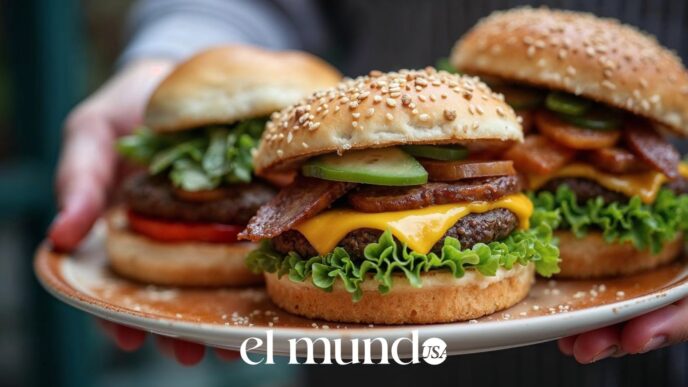
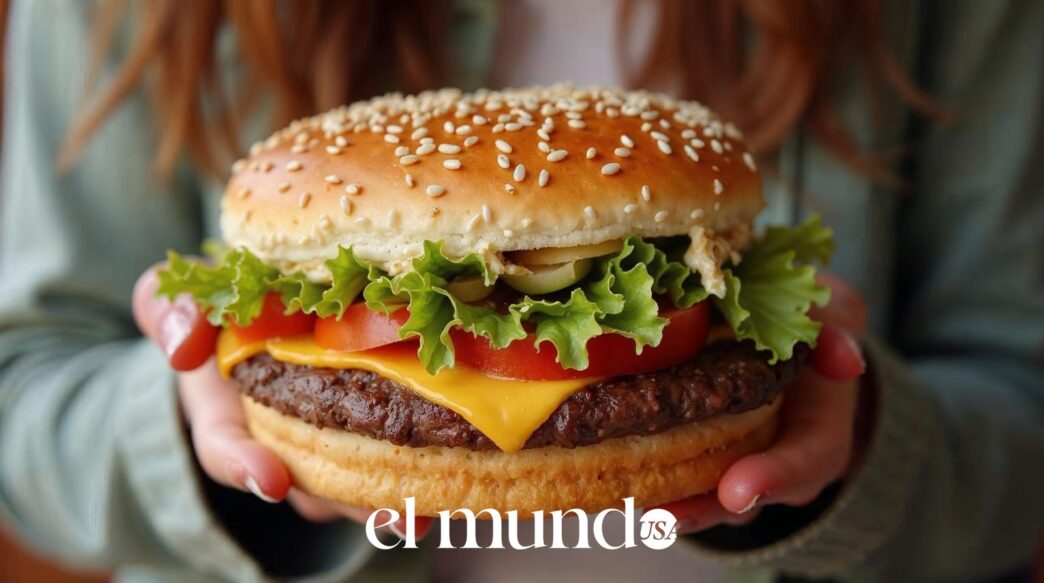
New research suggests that watching videos of junk food — think chocolate cake, burgers, and other indulgent items — may actually help some dieters resist cravings rather than trigger them. Several recent studies found that exposure to tempting food images or videos can work as a distraction or regulatory tool for people trying to control their diets.
The Bristol study on craving suppression
Researchers at the University of Bristol found that people who deliberately suppressed a craving and then watched videos featuring high-calorie foods experienced a decrease in the intensity of their urge to eat those foods. The visual exposure, without actual consumption, appeared to alter the craving response rather than intensify it.
A paradoxical effect confirmed in 2026
Additional findings from research conducted in April 2026 showed that participants who watched digital content featuring junk food later reported eating less junk food than those who weren’t exposed to the videos. Another study published earlier in 2026 found the same craving-control effect among people engaging with food content on social media — but only among those who were already mindful of their dietary goals and consumption habits.
It doesn’t work the same for everyone
Researchers caution that the effect varies by individual. Some people showed reduced intake after watching junk food videos, while others experienced no change at all, pointing to differences in how people cognitively and emotionally respond to food cues in the first place.
Part of a bigger picture on craving control
This research adds to a broader field studying behavioral strategies for weight management, where craving control plays a central role. Separate 2025 research out of Urbana-Champaign found that moderate, intentional consumption of craved foods like desserts can also be an effective strategy for weight-loss maintenance, complementing these findings about visual food exposure. Together, the studies point to how psychological and environmental cues — not just willpower — shape eating behavior. For general guidance on healthy eating patterns, see the USDA’s MyPlate resources.