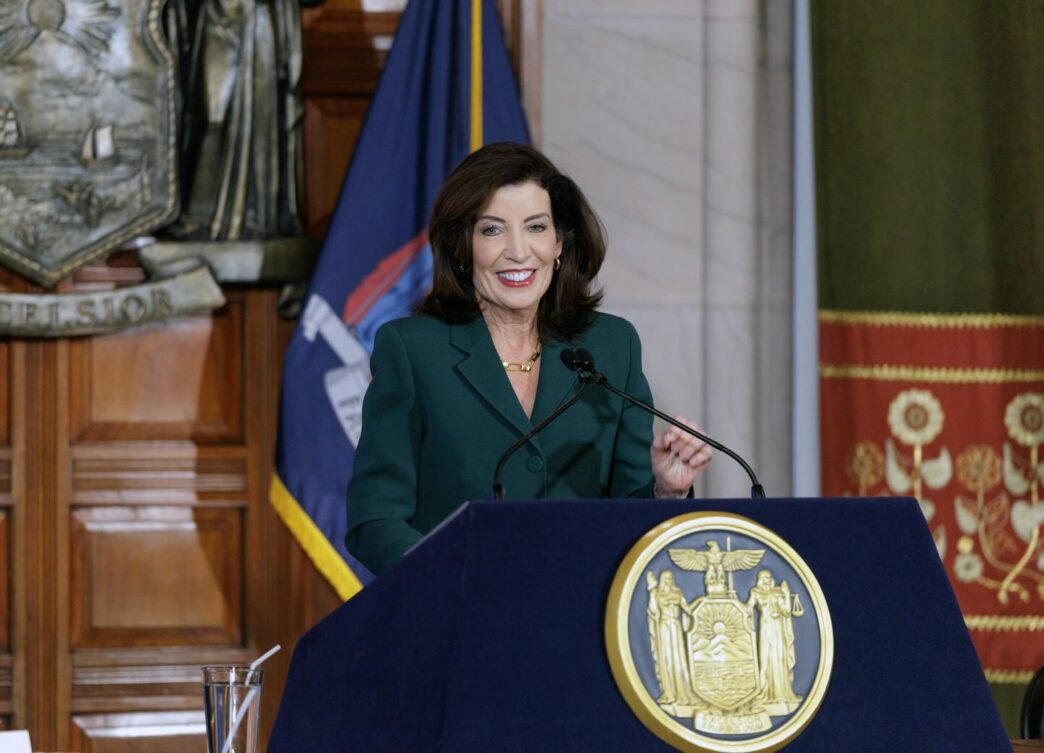
New York Governor Kathy Hochul issued an update on the state’s response to a massive winter storm that struck the region, confirming that the state of emergency remained in place statewide as of January 26, 2026.
Residents were urged to stay indoors and avoid all travel while the storm persisted. The State Emergency Operations Center activated its full coordination efforts to manage relief resources and respond to requests for assistance resulting from the storm’s impact.
Governor Hochul deployed 100 members of the New York National Guard to support local agencies with emergency response operations across the state. These National Guard members assisted with road clearance, emergency evacuations, and welfare checks on vulnerable populations.
New York governor issues state of emergency update on winter storm
The severe winter conditions created hazardous travel situations, including numerous accidents and road closures, especially on major highways such as Interstate 90 in upstate New York, where a large pileup was reported earlier in the week.
The storm brought heavy snow accumulation and low temperatures across much of New York. Upstate regions, characterized by a humid continental climate, experienced significant snow buildup, while areas closer to New York City, which lies in a warmer humid subtropical climate zone, faced a mix of ice and snow. Local weather forecasts from the National Weather Service indicated snowfall amounts reaching several inches in many counties, contributing to dangerous conditions on roads and public transportation systems.
What to expect from the massive winter storm?
Meteorological experts noted that this winter storm followed a period of rising average temperatures documented in New York State over recent decades. Data from the New York State Climate Impacts Assessment highlighted an upward trend in both average and maximum temperatures dating back to the early 20th century, although extreme winter storms remain a recurrent threat. Climate change effects documented by the New York State Department of Environmental Conservation have included more intense precipitation events and fluctuations between warmer and colder periods, impacting the frequency and severity of winter weather events.
The storm also posed challenges for emergency personnel working in freezing temperatures, with forecasters warning of prolonged cold days accompanied by potential additional snowfall during the week. Authorities continued to monitor weather developments closely, preparing to deploy further resources if necessary to ensure public safety and maintain road access.
Officials reiterated the importance of adhering to travel restrictions and staying informed of weather updates. The coordinated efforts between state agencies, the National Guard, and local governments aimed to mitigate damage and assist communities affected by the winter storm and its aftermath.