

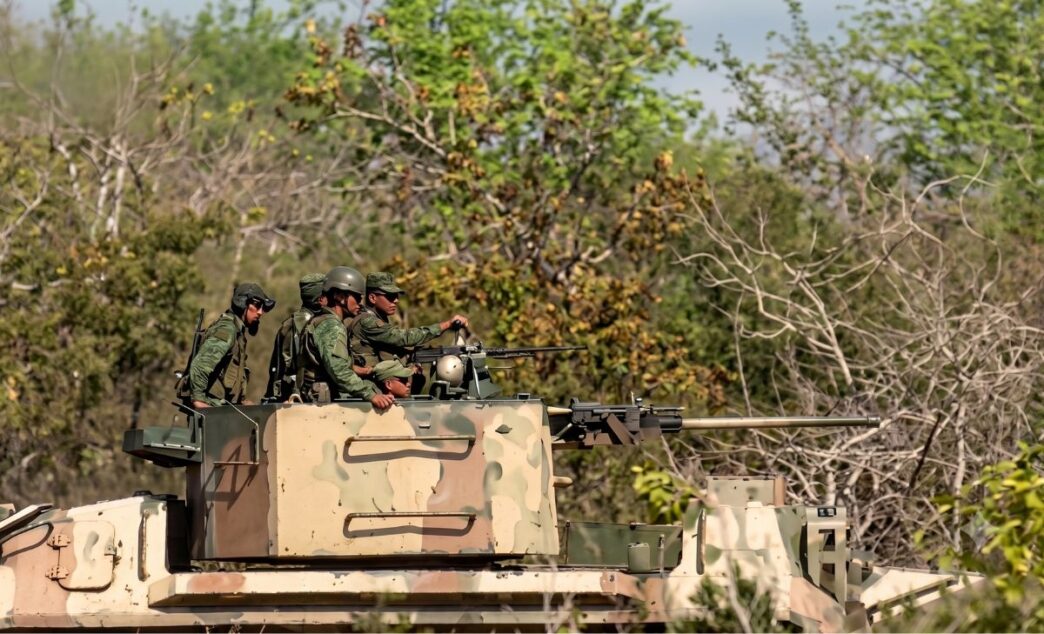
The United States announced new Cuba sanctions on August 6, 2026, targeting five businesses and eight individuals accused of securing weapons and military equipment for the Cuban regime. Secretary of State Marco Rubio led the initiative, marking another significant escalation in U.S. pressure on the island nation’s military apparatus.
These Cuba sanctions represent a direct strike against entities the State Department claims are central to maintaining the Cuban government’s military capabilities. For the millions of Cuban Americans living in the United States, this development carries both political and personal significance as tensions between Washington and Havana continue to intensify.
Five Businesses Targeted in New Cuba Sanctions
The State Department’s action specifically designated six entities involved in Cuba’s military industrial complex. Empresa Cubana Importadora y Exportadora de Productos Tecnicos (Tecnoimport) tops the list as a key player in Cuba’s military procurement network.
Also sanctioned is Sociedad Mercantil Duna SA, along with the Union de Industria Militar (UIM), which manufactures and repairs weapons systems for the Cuban armed forces. The designation effectively freezes any assets these entities have in the United States.
Empresa Militar Industrial Yuri Gagarin (EMI Yuri Gagarin) was also targeted. According to U.S. officials, this entity repairs and maintains Cuba’s fleet of Russian-made military aircraft, making it a strategic target in the new sanctions package.
Rounding out the business designations are Empresa Cubana Exportadora e Importadora de Servicios and Articulos y Productos Tecnicos Especializados SA. U.S. individuals and companies are now prohibited from doing business with any of these entities.
Eight Cuban Officials Named in Designations
The human face of these Cuba sanctions includes eight high-ranking individuals within Cuba’s military establishment. Heriberto Sanchez Alleyne, director general of Tecnoimport, leads the list of sanctioned individuals.
Alvaro Victoriano López Miera, the minister of the Revolutionary Armed Forces, represents one of the most senior officials ever targeted by U.S. sanctions against Cuba. His designation signals Washington’s willingness to go after the highest levels of Cuban military leadership.
Roberto Legra Sotolongo, chief of the general staff and first deputy minister of MINFAR (Ministry of the Revolutionary Armed Forces), also faces sanctions. Jose Antonio Remon Rodriguez, head of MINFAR’s foreign relations directorate, rounds out the top military officials targeted.
Oscar Enrique Biosca Gallego, who heads MINFAR’s economic directorate, was designated alongside two Cuban military attachés serving abroad. Monica Milian Gomez, Cuba’s military attaché to Russia, and Waldo Perez Cortes, Cuba’s military attaché to China, complete the list of sanctioned individuals.
What These Cuba Sanctions Mean in Practice
When the U.S. government imposes sanctions like these, the consequences are immediate and far-reaching. Any assets that the designated entities or individuals have in the United States are frozen, effectively cutting them off from the American financial system.
Furthermore, U.S. individuals and companies are prohibited from doing business with the sanctioned parties. This includes any transactions, contracts, or financial dealings that might benefit the designated businesses or people.
For Cuban Americans who may have family connections or business interests that intersect with these entities, the sanctions create clear legal boundaries. Violating these designations can result in significant penalties under U.S. law.
The State Department accused the designated entities of securing weapons and equipment for the Cuban regime, making them legitimate targets for economic pressure.
Part of Broader Sanctions Campaign Against Cuba
These new Cuba sanctions come as part of an expanded campaign targeting multiple sectors of the Cuban economy. The Trump administration has been systematically increasing pressure on the island nation through tourism restrictions, energy sector designations, and trade limitations.
The focus on military-related entities reflects a strategic decision to target Cuba’s defense capabilities specifically. By going after weapons manufacturers, repair facilities, and procurement networks, the U.S. aims to degrade the regime’s ability to maintain its military infrastructure.
Earlier sanctions rounds targeted nine entities and two high-ranking officials in an offensive aimed at the energy sector and military conglomerate sanctions evasion. The cumulative effect of these designations continues to tighten the economic noose around the Cuban government.
The Russian Military Aircraft Connection
The designation of EMI Yuri Gagarin highlights growing U.S. concern about Cuba’s military ties with Russia. This entity’s role in repairing and maintaining Russian-made military aircraft places it at the intersection of two U.S. foreign policy priorities.
Cuba’s continued reliance on Russian military equipment, and the infrastructure needed to maintain it, represents an ongoing challenge for American policymakers. By sanctioning the repair facilities, Washington aims to complicate Cuba’s ability to keep its air force operational.
The naming of Monica Milian Gomez, Cuba’s military attaché to Russia, further underscores this connection. Her designation suggests the U.S. is closely monitoring and targeting the military cooperation between Havana and Moscow.
Cuba-China Military Ties Under Scrutiny
The sanctioning of Waldo Perez Cortes, Cuba’s military attaché to China, reveals another dimension of U.S. concerns. Washington has increasingly focused on limiting Chinese influence in the Western Hemisphere, and Cuba represents a key node in Beijing’s regional engagement.
By targeting the military attaché to China, the U.S. sends a clear message about its willingness to pressure Cuba’s international military relationships. This designation aligns with broader U.S. strategy to counter Chinese expansion in Latin America.
The Cuban government has historically maintained strong ties with both Russia and China, relationships that have intensified as U.S. sanctions have limited other economic options for the island nation.
Impact on the Cuban American Community
For the 2.4 million Cuban Americans living in the United States, these sanctions carry complex implications. Many maintain family connections on the island and watch developments in U.S.-Cuba relations with deep personal interest.
The targeting of military officials and defense industries rather than civilian sectors represents a calibrated approach. However, the broader economic pressure on Cuba inevitably affects ordinary Cubans, including the relatives of Cuban Americans.
Community organizations continue to monitor how these sanctions affect remittance flows, travel options, and communication with family members in Cuba. While the new designations focus on military targets, the overall sanctions architecture shapes daily life for Cubans on both sides of the Florida Straits.
Legal Implications for U.S. Residents
U.S. residents, including naturalized citizens and permanent residents with Cuban backgrounds, must understand the legal implications of these sanctions. Engaging in prohibited transactions with designated entities or individuals can result in civil and criminal penalties.
The Office of Foreign Assets Control (OFAC) maintains updated lists of sanctioned parties. Individuals and businesses should consult these resources before engaging in any activities that might intersect with Cuban entities.
Financial institutions, travel companies, and businesses that facilitate transactions with Cuba must implement compliance measures to avoid inadvertently violating sanctions. The penalties for violations can be substantial, making due diligence essential.
Looking Ahead: What to Expect in Cuba Policy
The August 2026 sanctions suggest the U.S. will continue pursuing a maximum pressure strategy toward Cuba for the foreseeable future. Each new round of designations expands the web of restrictions around the Cuban government.
For those following Cuba sanctions developments, monitoring State Department announcements and OFAC updates remains essential. Policy changes can affect everything from travel options to financial transactions to family reunification efforts.
The targeting of Cuba’s military apparatus indicates a specific focus on degrading the regime’s coercive capabilities. Whether this approach achieves its stated goals remains to be seen, but the trajectory of U.S. policy appears firmly established.



