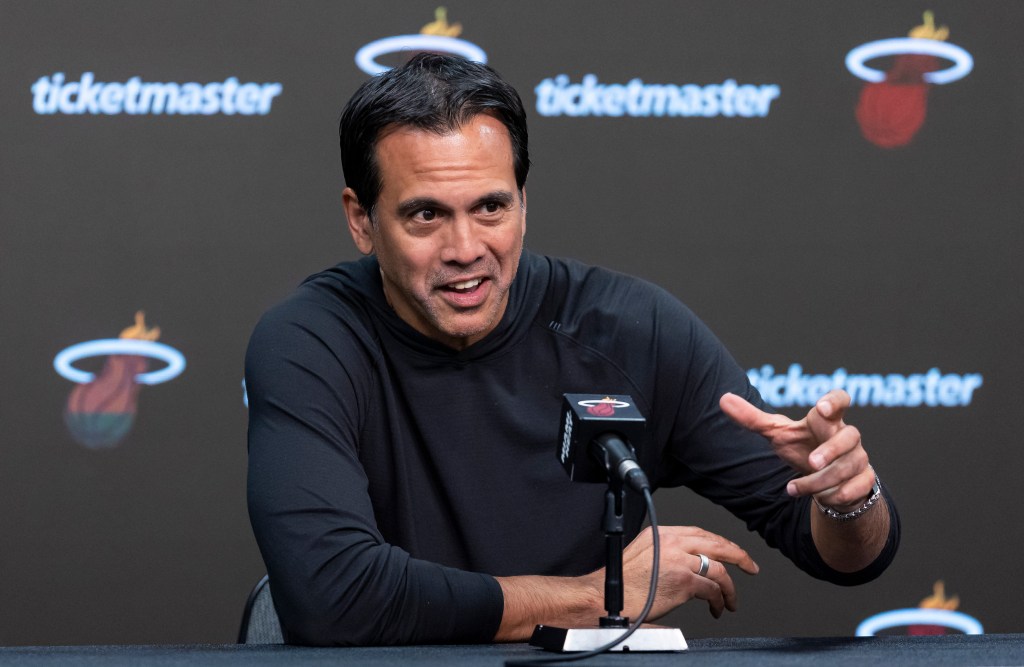
The Miami Heat organization finds itself at a crossroads as team president Pat Riley has made his intentions crystal clear: winning is the priority, and it needs to happen immediately. This declaration, made during recent interviews following the team’s season-ending exit meetings on April 16, 2026, raises significant questions about the future of the franchise’s younger players and coach Erik Spoelstra’s well-known developmental approach.
Pat Riley’s Win-Now Philosophy Clashes with Development
For years, the Heat have prided themselves on their ability to develop talent through what has become known as the “Heat Culture.” However, with Riley publicly stating his desire to compete for championships right now, the organization appears ready to pivot toward experienced veterans who can deliver immediate results on the court.
This shift in philosophy could prove particularly challenging for players like Nikola Jovic and Kel’el Ware, who have shown flashes of potential but have also tested the patience of the coaching staff at various points throughout their development. While Jovic recently received a public vote of confidence from Riley himself, the reality of the roster construction tells a different story.
“Veterans will win the day, because that’s how Riley has won the day over the years, and how Spoelstra has won the day.”
The addition of established players like Bobby Portis signals a clear preference for experience over potential. Sources close to the team suggest that Portis is expected to receive significant minutes ahead of Jovic, while veteran guard Dru Smith appears poised to earn playing time over younger options like Ryan Conwell.
Young Players Facing an Uncertain Future
Perhaps no player exemplifies this uncertain situation more than Vlad Goldin, the Russian big man who has been mentioned by Riley as part of the team’s future plans. Despite the positive public statements, all indications suggest Goldin could spend another winter with the Sioux Falls Skyforce, the Heat’s G League affiliate, or potentially not remain with the organization at all.
The situation creates an interesting dynamic within the organization, as Spoelstra has consistently championed development as an ongoing process that applies to players of all ages, including the 30-somethings the team has brought in. However, even the veteran coach has shown moments where his patience with younger players has reached its limits.
- Nikola Jovic: Received vote of confidence but may lose minutes to Bobby Portis
- Kel’el Ware: Has tested coaching staff’s patience throughout development
- Ryan Conwell: Expected to play behind veteran Dru Smith
- Vlad Goldin: Likely headed back to G League despite Riley’s public praise
The LeBron James Factor and Locker Room Dynamics
Adding another layer of intrigue to the Heat’s situation is the recent discussion surrounding LeBron James and potential connections to the franchise. While James was never named team captain during his tenure in Miami, with that honor belonging to the legendary Udonis Haslem, any talk of his involvement naturally raises questions about leadership dynamics within the current roster.
Current team captain Bam Adebayo has held considerable influence in the locker room throughout his nine seasons with the organization, including his leadership experiences at the Olympic level. However, with significant roster turnover and the arrival of massive personalities like Giannis Antetokounmpo and Bobby Portis, the team dynamics could shift dramatically in the coming season.
Adebayo has consistently proven his ability to navigate complex locker room situations, but the combination of new star power and veteran additions will test even his well-established leadership capabilities. His track record suggests he will rise to the challenge, but the heat will certainly be turned up in more ways than one.
League-Wide Salary Concerns Add Context
The Heat’s roster decisions also come amid broader league discussions about salary restrictions and competitive balance. The second-apron limitations on spending have drawn criticism from large-market teams like the Lakers and Knicks, who argue these restrictions unfairly limit their ability to build championship-caliber rosters.
Critics of these complaints point out that such restrictions exist precisely to prevent a scenario similar to Major League Baseball, where wealthy franchises like the Dodgers and Yankees can simply outspend their competition to secure championships. The current system, while imperfect, aims to create a more level playing field across the league.
For Miami, operating within these constraints while trying to build a championship contender requires difficult decisions about where to allocate resources. The choice to prioritize veterans over developing young talent reflects this reality, as the organization believes experienced players give them the best chance to compete immediately within the current salary structure.