
The White House announced specific conditions that Minnesota must meet before federal immigration officers will be withdrawn from the state. The ongoing federal enforcement operation in Minnesota marks one of the largest immigration actions ever carried out, involving over 2,000 officers, and has sparked tensions with state and local officials.
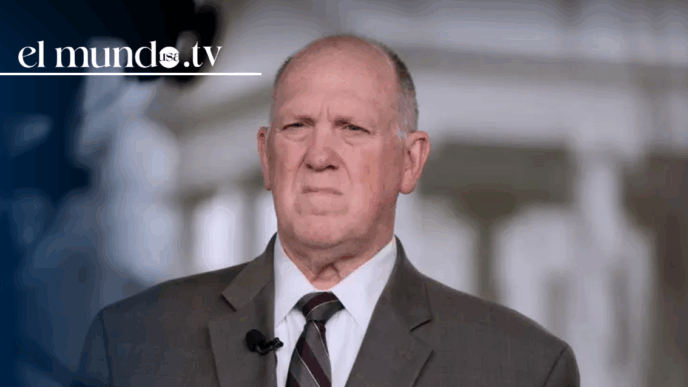
Border Czar Tom Homan, who oversees immigration enforcement strategy, confirmed that federal agents will remain in Minnesota until what he described as the problem is resolved. He noted that the withdrawal of federal law enforcement depends on continued cooperation with local authorities and achievement of enforcement goals. Homan indicated that a strategic shift in the federal approach could lead to phased drawdowns of agents, but emphasized that federal presence would persist until federal objectives are met.
The deployment of federal agents has resulted in a security footprint larger than the ten largest police departments in the Minneapolis metropolitan area combined. Homeland Security’s presence in Minnesota now eclipses the local law enforcement capacity in the region. The extensive presence of agencies such as U.S. Immigration and Customs Enforcement (ICE) and Customs and Border Protection (CBP) has elicited criticism from state officials, who argue that the federal agents’ urban law enforcement methods have distracted from core immigration enforcement duties.
Minnesota officials and advocacy groups have accused federal agents of engaging in patterns of unlawful conduct that harm public safety and welfare. The Minneapolis city government issued statements alleging that federal officers have conducted operations that violate legal and human rights standards. The American Civil Liberties Union has demanded the immediate withdrawal of federal agents following incidents involving excessive use of force, including the killing of Alex Pretti during enforcement actions.
A federal judge ruled on January 31, 2026, that ICE can continue its enforcement activities in Minnesota, rejecting efforts by local authorities to halt federal immigration operations. This ruling permits thousands of federal agents to remain active amid protests and legal challenges.
National scrutiny of CBP, key among the agencies deployed in Minnesota, highlights a history of excessive force and racial profiling. Critics point to past abuses by the agency, including its aggressive role in family separations at the border, underscoring concerns about the federal enforcement strategy in urban environments such as Minneapolis.
Minnesota officials continue to seek immediate legal relief to limit or end federal immigration operations in the state. The situation remains fluid as both federal and local governments navigate the complexities of immigration enforcement, community safety, and legal authority in a politically charged environment.