The United States and Iran conducted nuclear negotiations in Geneva in mid-February 2026, resulting in some progress but leaving many details unresolved. U.S. officials described the talks on February 17 as productive yet still requiring significant discussion, highlighting ongoing challenges in reaching a final agreement.
Earlier, Iran had rejected a prior U.S. proposal during 2025, signaling resistance to terms offered under the Trump administration. Despite this, Iranian leaders agreed to resume dialogue in early 2026 amid heightened tensions and threats from the U.S. government. These negotiations aimed to address U.S. concerns over Iran’s nuclear program while alleviating regional instability.
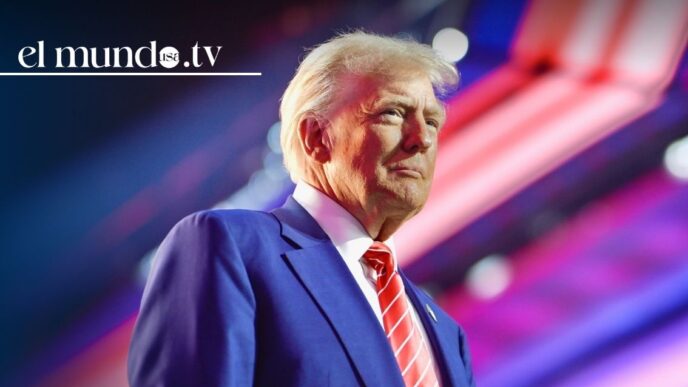
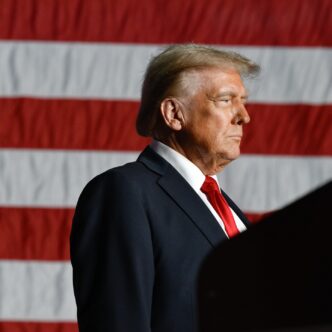
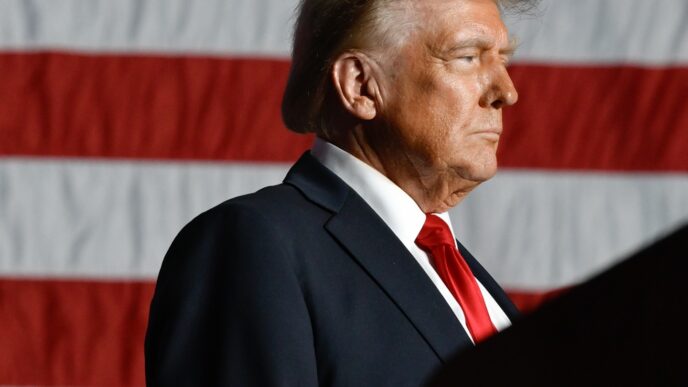
President Donald Trump set a firm timeline for the talks, stating on February 19 that Iran must finalize a nuclear deal within 10 to 15 days. Failure to reach an agreement within this period could lead to unspecified but severe consequences, according to Trump’s warnings. The president emphasized the possibility of military intervention if Iran did not comply with U.S. demands.
In response to these pressures, Tehran threatened retaliation against U.S. military bases should the situation escalate. This exchange occurred alongside the deployment of the USS Gerald R. Ford to the Middle East, symbolizing increased American military presence as a deterrent.
The negotiations focused heavily on Iran’s nuclear activities and demands for substantial economic relief. Tehran sought significant easing of sanctions in exchange for limited concessions on nuclear development, underscoring the intricate balance between security concerns and economic interests.
Throughout February, diplomatic efforts continued alongside military posturing, reflecting the complexity of U.S.-Iran relations. The talks attracted considerable attention due to their potential impact on broader Middle Eastern stability, particularly amid fears of immediate conflict following the deadlines set by Washington.
By late February 2026, both sides maintained cautious stances. Iranian officials conveyed willingness to continue negotiations, yet firmness in protecting national interests remained clear. The U.S. administration continued to evaluate military and diplomatic options, reinforcing pressure on Iran to comply quickly.
The period from early 2025 through February 2026 marked one of the most intense phases in the renewed U.S.-Iran nuclear dialogue, crossing several stages from outright rejection to tentative cooperation but with persistent risks of escalation. The outcome of these negotiations continued to shape regional dynamics and U.S. policy in the Middle East.