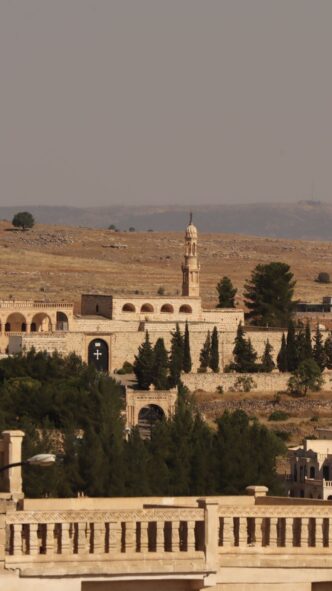
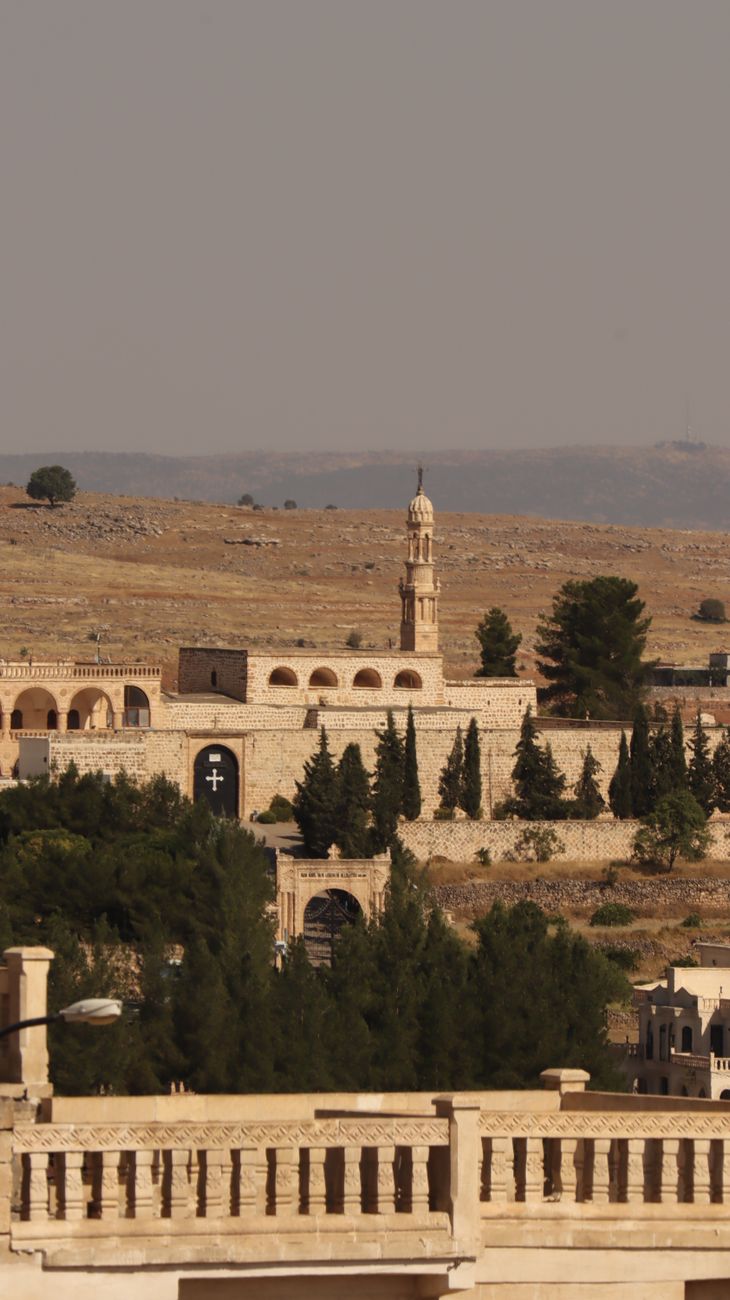
Turkish President Recep Tayyip Erdoğan ordered officials on Sunday to resume talks on reopening the Halki Orthodox Christian seminary near Istanbul, a historic theological school that has been closed since 1971. The move comes as U.S. President Donald Trump is expected to visit Ankara next month for a NATO summit, having previously raised the seminary issue during talks with Erdoğan in Washington last year.
The Halki seminary, located on Heybeliada island near Istanbul, served as the Ecumenical Patriarchate’s main theological school before Turkish authorities shut it down more than five decades ago. The decision to restart negotiations marks a significant development in long-standing diplomatic discussions involving Turkey, the United States, Greece and the European Union.
Main Developments
Erdoğan instructed Turkey’s higher education authority to continue discussions with the Patriarchate’s committee regarding the potential reopening of the seminary. The directive represents a renewed effort to address an issue that has been a point of international pressure on Turkey for years.
The seminary was founded in 1844 and operated for more than a century as the primary institution for training Orthodox Christian clergy under the Ecumenical Patriarchate. It was closed in 1971 following a Constitutional Court ruling that required private higher education institutions to be affiliated with state universities.
Current Ecumenical Patriarch Bartholomew, who is based in Istanbul, was trained at the Halki seminary before its closure. The school holds deep significance for the Orthodox Christian community as the historic center of theological education for the Patriarchate.
Metropolitan Emmanuel of Chalcedon, whose diocese covers Istanbul, responded to the development with cautious optimism. He stated that “For the Patriarchate, after decades of inaction, the water has entered the trough,” suggesting the issue has entered a new phase of consideration.
What We Know So Far
Erdoğan’s order to resume talks was issued on Sunday, June 21, 2026. The Turkish President specifically directed the country’s higher education authority to engage with representatives from the Ecumenical Patriarchate’s committee on the matter.
Turkey has faced sustained pressure from multiple international parties regarding the seminary. Greece, the United States and the European Union have all urged Turkish authorities to allow the school to reopen over the years.
The issue gained renewed attention when President Trump raised it during diplomatic talks with Erdoğan in Washington last year. This discussion appears to have set the stage for the current resumption of negotiations.
Both Turkish officials and Patriarchate representatives still need to complete renovation work on the seminary facilities and reach agreement on legal and educational frameworks before any reopening could occur. No specific timetable for reopening has been established.
What Happens Next
President Trump is expected to visit Ankara next month for a NATO summit, where the Halki seminary issue could receive further diplomatic attention. The timing of Erdoğan’s order to resume talks ahead of this anticipated visit suggests the matter may factor into upcoming bilateral discussions.
Negotiations between Turkey’s higher education authority and the Patriarchate’s committee will need to address multiple outstanding issues. These include the legal framework under which the seminary could operate, educational requirements and standards, and the completion of necessary renovation work on the historic buildings.
Metropolitan Emmanuel of Chalcedon indicated that while progress is being made, concrete timelines remain undefined. The statement that the issue has entered a new phase suggests ongoing dialogue rather than imminent resolution.
Historical Background of the Seminary Closure
The Halki seminary’s 1971 closure resulted from a Turkish Constitutional Court ruling that established new requirements for private higher education institutions in the country. The ruling mandated that such institutions must be affiliated with state universities, a requirement that effectively forced the Orthodox theological school to cease operations.
For more than 50 years, the seminary buildings on Heybeliada island have remained closed, despite ongoing calls from the Orthodox community and international partners for Turkey to find a solution that would allow the school to resume its educational mission.
The seminary’s historical importance extends beyond its role as a theological school. As the primary training institution for Orthodox clergy under the Ecumenical Patriarchate, its closure has had lasting implications for the Orthodox Christian community’s ability to educate future religious leaders in Turkey.
International Diplomatic Significance
The Halki seminary issue has long been a point of diplomatic discussion between Turkey and its Western allies. The United States, European Union and Greece have consistently raised the matter in their engagements with Turkish officials.
President Trump’s decision to raise the issue during his talks with Erdoğan in Washington demonstrated continued American interest in the seminary’s status. The expected NATO summit in Ankara next month provides another potential forum for discussing progress on the matter.
For Turkey, addressing the seminary issue could represent a gesture of goodwill toward Western partners while also demonstrating commitment to religious freedom and minority rights. The Ecumenical Patriarchate’s presence in Istanbul gives the matter particular significance for Orthodox Christians worldwide.
Frequently Asked Questions
When was the Halki seminary closed and why?
The Halki seminary was closed by Turkish authorities in 1971 following a Constitutional Court ruling that required private higher education institutions to be affiliated with state universities. The school had operated since its founding in 1844.
Where is the Halki seminary located?
The seminary is located on Heybeliada island near Istanbul, Turkey. It served as the Ecumenical Patriarchate’s main theological school before its closure.
Has a date been set for reopening the Halki seminary?
No specific timetable for reopening has been established. Turkish officials and the Patriarchate still need to complete renovation work and agree on legal and educational frameworks before the seminary could reopen.
What is the connection between the Halki seminary and President Trump?
President Trump raised the seminary issue during talks with Turkish President Erdoğan in Washington last year. Trump is expected to visit Ankara next month for a NATO summit, where the matter could receive further attention.
Who is Patriarch Bartholomew?
Patriarch Bartholomew is the current Ecumenical Patriarch and is based in Istanbul. He was trained at the Halki seminary before its closure in 1971.
The resumption of talks between Turkish authorities and the Ecumenical Patriarchate represents the first significant movement on the Halki seminary issue in years. While Metropolitan Emmanuel of Chalcedon characterized the development as a new phase after decades of inaction, substantial work remains before any reopening could take place, including completion of renovation efforts and agreement on the legal and educational structures that would govern the seminary’s operations.