The United States government has raised its travel advisory for the Democratic Republic of the Congo to Level 4, the highest warning level, following a deadly Ebola outbreak that has claimed at least 105 lives. The advisory, issued on Sunday, May 17, 2026, urges Americans not to travel to the Central African nation as health officials work to contain the rapidly spreading virus.
The outbreak has prompted the World Health Organization to declare a global health emergency, while the Centers for Disease Control and Prevention is coordinating the safe withdrawal of at least six Americans who were exposed to the virus. The situation has escalated quickly, with Congo’s Health Cluster reporting over 390 suspected cases as of Monday, May 18, 2026.
Main Developments in the Ebola Crisis
The current outbreak is caused by the Bundibugyo strain of Ebola virus, which presents particular challenges for public health officials. Existing vaccines may be less effective against this specific strain, complicating containment efforts and raising concerns about the outbreak’s potential trajectory.
The U.S. State Department elevated the travel advisory from Level 3 to Level 4, marking a significant escalation in the official warning to American citizens. This highest level of advisory explicitly tells travelers not to travel to the country for any reason.
Cases have been reported across multiple regions of the Democratic Republic of the Congo, including Ituri Province in the northeast region, as well as the cities of Goma and Kinshasa. The geographic spread of the virus across different parts of the country has intensified concerns among international health authorities.
What We Know So Far
The confirmed details of the outbreak reveal a serious and evolving situation. Over 390 suspected Ebola cases have been identified, with 105 deaths attributed to the virus. The Bundibugyo strain responsible for this outbreak may respond differently to existing vaccines compared to other Ebola strains.
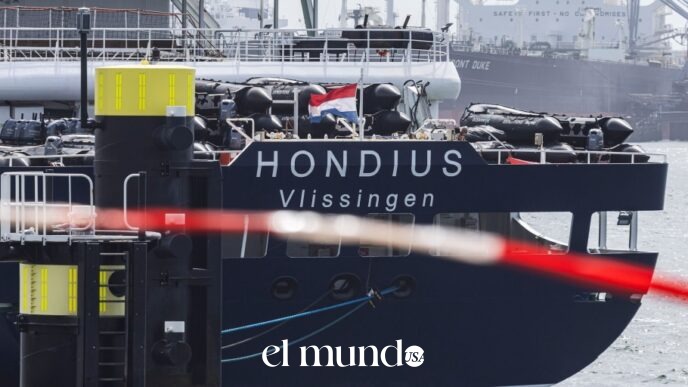
At least six American citizens were exposed to the outbreak and are being withdrawn from the country under CDC coordination. The World Health Organization has officially declared the situation a global health emergency, signaling the international community’s concern about potential spread.
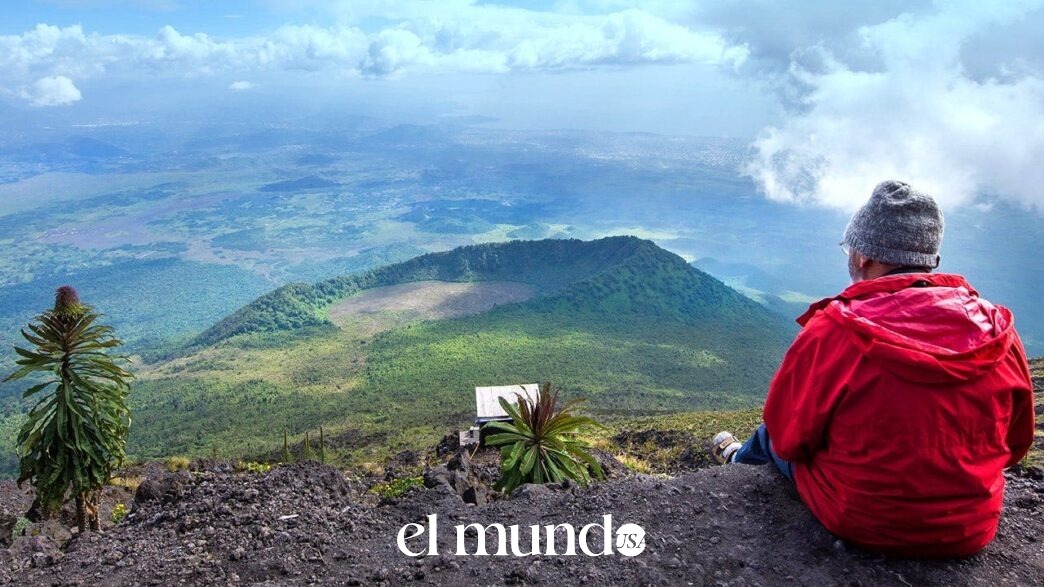
The outbreak has affected Ituri Province most severely, though cases in Goma and Kinshasa indicate the virus has reached major population centers. The Democratic Republic of the Congo, home to the world’s second-largest rainforest after the Amazon, faces significant challenges in managing the outbreak across its vast territory.
What Happens Next
The CDC will continue coordinating the safe evacuation of the at least six Americans exposed to the outbreak. Health authorities are working to contain the spread while monitoring suspected cases across the affected regions.
American citizens currently in the Democratic Republic of the Congo face limited options for assistance. U.S. government employees stationed in Kinshasa now require special permission to travel outside the city, reflecting the severity of the current restrictions.
State Department Warnings About Consular Services
The travel advisory contains stark warnings about the limitations of U.S. government assistance in the affected country. According to the official advisory, “The U.S. government is unable to provide emergency services to U.S. citizens in Ituri province. Do not travel to this area for any reason.”
The State Department further warned that “The U.S. embassy has extremely limited ability to provide routine or emergency consular services outside of Kinshasa.” This means Americans who encounter difficulties in other parts of the country may find themselves without access to typical embassy support.
Beyond the health emergency, the advisory also highlights security concerns in the region. The State Department cautioned that “Criminals may pose as police or security agents,” adding another layer of risk for any travelers who might consider visiting.
The advisory also addressed concerns about the treatment of detained Americans, stating that “Local police do not always inform the U.S. embassy when they arrest a U.S. citizen. They may also delay access to detained U.S. citizens or use violence and threats during interrogations.”
Important Details for Americans
The Level 4 travel advisory represents the most severe warning the State Department issues. Americans currently in the Democratic Republic of the Congo should strongly consider departure options while they remain available.
The affected areas include Ituri Province in the northeastern region of the country, where emergency services from the U.S. government are completely unavailable. The cities of Goma and Kinshasa have also reported Ebola cases, indicating the outbreak has reached urban areas with larger populations.
The Bundibugyo strain of Ebola virus requires particular attention because existing vaccines may be less effective against it. This strain-specific concern adds urgency to containment efforts and underscores the importance of the travel restrictions.
Americans who must travel to the region despite the warning should understand that consular services outside of Kinshasa are extremely limited for both routine and emergency situations. The U.S. embassy’s ability to assist citizens has been significantly constrained by the current conditions.
Frequently Asked Questions
What is the current travel advisory level for the Democratic Republic of the Congo?
The U.S. State Department raised the travel advisory to Level 4, the highest warning level, on Sunday, May 17, 2026. This level advises Americans not to travel to the country.
How many Ebola cases have been reported in Congo?
As of Monday, May 18, 2026, Congo’s Health Cluster reported over 390 suspected Ebola cases and 105 deaths. These figures represent suspected cases, not confirmed diagnoses.
Which Ebola strain is causing the current outbreak?
The outbreak is caused by the Bundibugyo strain of Ebola virus. Existing vaccines may be less effective against this particular strain compared to other Ebola variants.
Can the U.S. embassy help Americans in Congo during this outbreak?
The U.S. embassy has extremely limited ability to provide routine or emergency consular services outside of Kinshasa. The U.S. government is unable to provide any emergency services to citizens in Ituri Province.
What areas of Congo are affected by the Ebola outbreak?
Cases have been reported in Ituri Province in the northeast region, as well as in the cities of Goma and Kinshasa. The outbreak has spread across multiple geographic areas of the country.
Global Health Emergency Declaration
The World Health Organization’s declaration of a global health emergency reflects the international community’s assessment of the outbreak’s severity. This designation typically triggers coordinated international response efforts and increases attention to containment measures.
The CDC’s involvement in withdrawing exposed Americans demonstrates the active response from U.S. health authorities. The safe evacuation of at least six citizens exposed to the virus remains a priority as the outbreak continues.
The Democratic Republic of the Congo has experienced Ebola outbreaks in the past, but the current situation involving the Bundibugyo strain and its spread to multiple regions presents distinct challenges. The combination of health and security concerns has led to the comprehensive travel restrictions now in place.
Americans with questions about the travel advisory or the current situation in the Democratic Republic of the Congo should monitor official communications from the State Department and the CDC for updates as the situation develops.