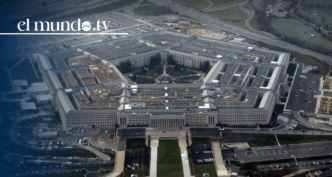
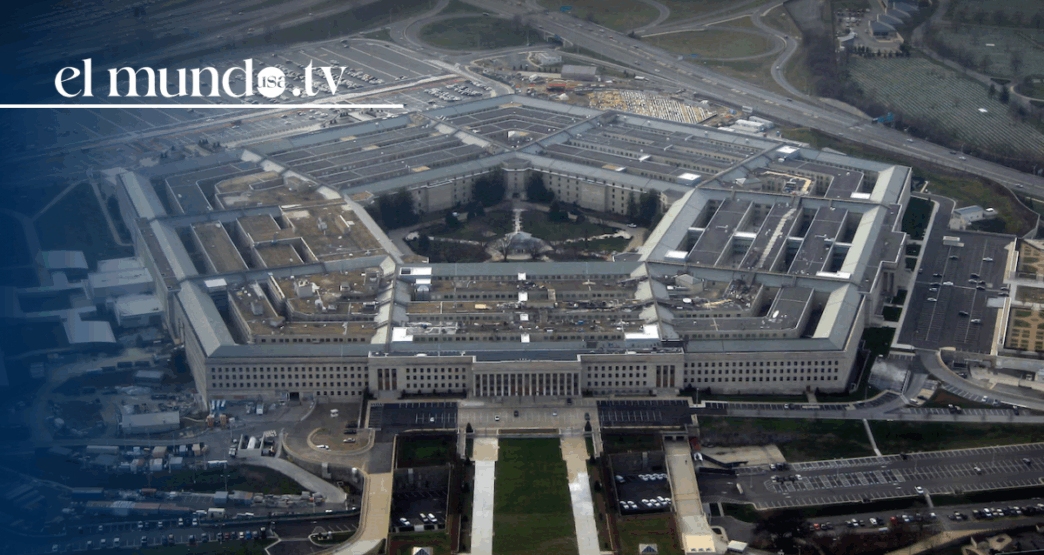
The Pentagon has issued a renewed warning over China’s military ambitions toward Taiwan, as the self-governed island conducted combat-readiness drills amid rising regional tensions. U.S. defense officials assess that Beijing is accelerating its preparations with the expectation of being able to “fight and win a war on Taiwan by the end of 2027,” a timeline that has heightened concern in Washington and among U.S. allies in the Indo-Pacific.
The warning comes as Taiwan carried out joint exercises involving its air force and army, showcasing weapon systems acquired from the United States. According to Taiwan’s Military News Agency, the drills were held ahead of the Lunar New Year and were designed to demonstrate the island’s ability to respond immediately to emergencies and external threats. During the exercises, army units simulated the deployment of the U.S.-made HIMARS multiple rocket launcher system, capable of delivering long-range precision strikes at distances of up to 186 miles.
China, which claims Taiwan as part of its territory despite never having governed it, has intensified military pressure on the island in recent years. President Xi Jinping has repeatedly stated that Beijing will not renounce the use of force to achieve what it calls “national reunification.” The Chinese military has maintained a near-daily presence around Taiwan, conducting large-scale drills and live-fire exercises. The most recent maneuvers, carried out in late December, included simulations of blockade tactics aimed at isolating the island.
In its latest assessments, the Pentagon underscored that deterring a potential conflict over Taiwan has become a central priority of U.S. national security policy. The U.S. National Security Strategy emphasizes the need for a military posture capable of denying aggression and maintaining stability across the Taiwan Strait. While Washington does not formally recognize Taiwan as a sovereign state, it remains its most important security partner, supplying defensive weapons under U.S. law.
The Chinese Foreign Ministry did not immediately respond to requests for comment on the Pentagon’s assessment or Taiwan’s latest drills. However, Beijing has consistently opposed U.S. arms sales to Taiwan, accusing Washington of interfering in its internal affairs.
For analysts, the convergence of U.S. warnings, Chinese military activity and Taiwan’s own preparedness exercises signals a more volatile phase in cross-strait relations. As China expands its military capabilities and Taiwan reinforces its defenses with American support, the Pentagon’s alert underscores growing fears that the window for preventing a conflict may be narrowing.