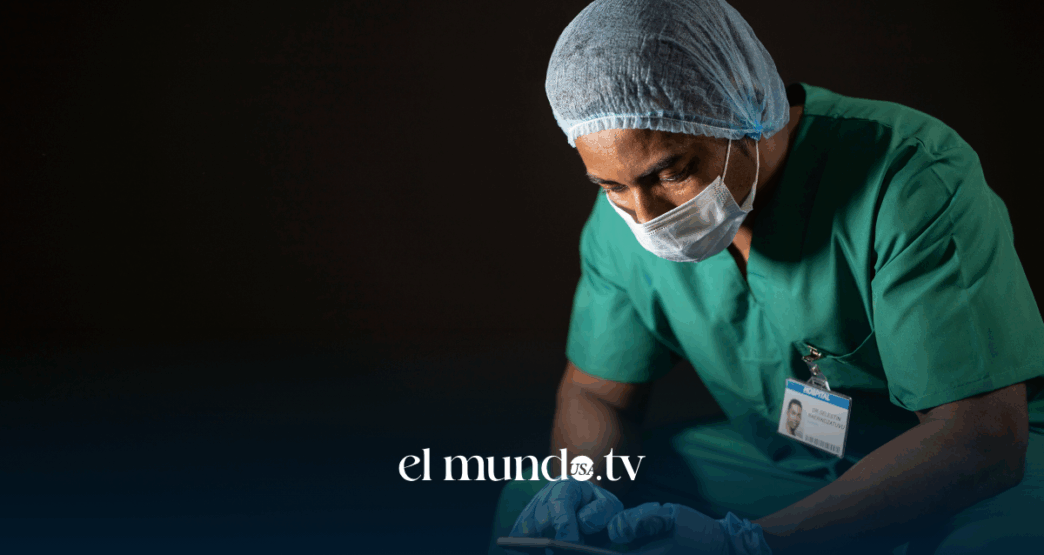
A report by the Inter-American Commission on Human Rights (IACHR) has reignited a sensitive issue for the Cuban community in the United States: the conditions faced by healthcare workers in international medical missions organized by Cuba. Published this week, the document details alleged serious human rights violations affecting these professionals abroad.
READ: New variant of Covid-19: What are its symptoms?
IACHR alleges abuses in Cuban medical missions
The medical missions were created in the 1960s under the government of Fidel Castro as a project rooted in international solidarity. According to the report, over time they have become the Cuban government’s main source of revenue. In 2022, these missions generated $4.882 billion, 69% of the country’s exported services.
Despite these figures, the report states that doctors receive only between 2.5% and 25% of what host countries pay for their services, with the rest retained by the state. The IACHR concludes that the cuban medical missions leaves many workers unable to meet basic living needs or maintain a dignified standard of living.
One testimony cited in the report describes harsh conditions: a minimal stipend barely sufficient for food, long working hours, and limited access to essential resources. These accounts echo stories shared for years among Cuban exiles in cities like Miami.
READ: Israel and the US strike nuclear facilities in central Iran amid escalating conflict
Pressure, punishment, and control
The report outlines a system of strict oversight imposed on medical personnel. Among the practices cited are the confiscation of passports upon arrival in host countries and the withholding of wages in accounts that can only be accessed if workers return to Cuba.
Leaving a mission early can trigger severe consequences. Workers may be labeled deserters, lose rights on the island and face prison sentences of up to eight years, along with an eight-year ban on returning to the country.
The IACHR documents restrictions on personal freedom, including limits on social interactions with locals and even with other Cubans living abroad. These conditions are compounded by long shifts, unpaid overtime, and, in some cases, mandatory political activities.