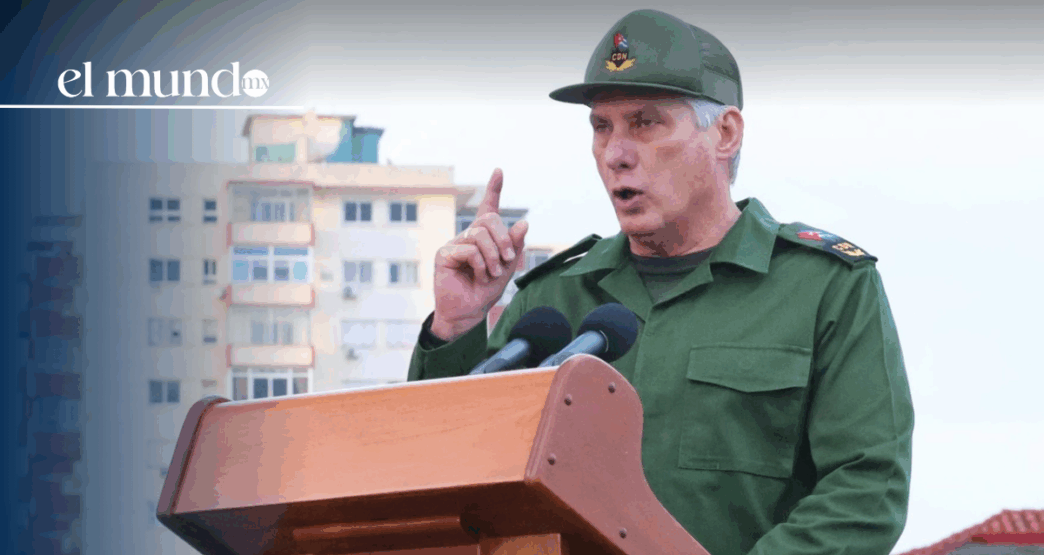
Miguel Díaz-Canel confirmed that officials from Cuba and the United States (US) have held discussions aimed at addressing long standing bilateral tensions, as the Caribbean nation grapples with a severe energy crisis tied to geopolitical shifts and U.S. pressure on global oil flows.
According to the Cuban President, officials engaged with representatives of the U.S. government to explore potential solutions through dialogue. The leader stressed that Havana is willing to continue negotiations but only under conditions of equality and respect for national sovereignty.
READ: “Shield of the Americas” Summit: Trump summons right-wing leaders of Latin America without Mexico
Cuba agrees to negotiations with the US amid energy crisis
“Cuban officials recently held talks with representatives of the U.S. government to seek, through dialogue, possible solutions to the bilateral differences between our two nations,” Díaz-Canel said in public remarks.
The diplomatic outreach comes as Cuba faces one of the most acute energy shortages in decades. Díaz-Canel revealed that no fuel ships have arrived in the country for more than three months. Said that the situation has triggered widespread electricity shortages and forced the government to rely heavily on aging power plants and limited renewable energy capacity.
READ: Donald Trump reveals his work in Iran isn’t finished
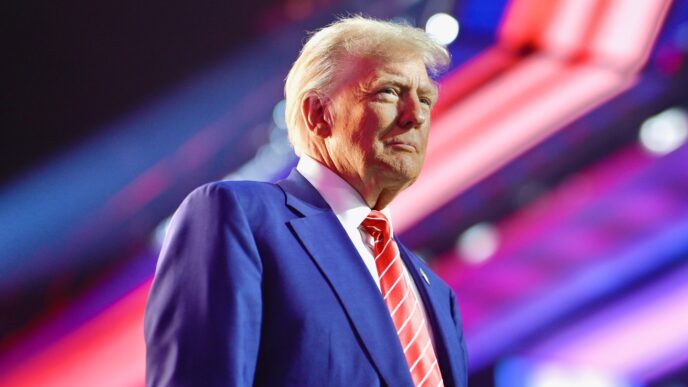
The fuel crunch has also exposed the island’s dependence on imported oil, particularly shipments that historically came from Venezuela. That supply chain collapsed after a series of actions by the administration of Donald Trump aimed at reshaping geopolitical stability and energy security.
Operation Absolute Resolve, key to arrive at this moment
In recent months, the Trump administration launched a sweeping strategy designed to stabilize global energy markets and counter regimes accused by Washington of destabilizing regional security. Among the most dramatic actions was the capture of Venezuelan leader Nicolás Maduro, which disrupted the oil alliance between Caracas and Havana and cut off Cuba’s primary external fuel source.
At the same time, U.S. military strikes against strategic targets in Iran — part of broader operations intended to curb energy-related security threats in the Middle East — have reverberated through global oil logistics, contributing to volatility in supply chains that affect smaller energy-dependent economies.
For Cuba, the consequences have been immediate. The government says the tightening U.S. pressure on oil shipments has created what it calls an “energy blockade,” severely restricting fuel deliveries and triggering blackouts that have affected transportation, hospitals, communications and industry.
Díaz-Canel acknowledged the strain on the country’s electrical infrastructure and praised workers in the national power system for maintaining operations despite the shortages.
“They are making titanic efforts,” he said, referring to employees of the state electricity utility who continue working under difficult conditions while facing the same shortages at home.
As a gesture of goodwill during the emerging diplomatic dialogue, the Cuban government also announced that 51 prisoners will be released following mediation by the Vatican, which has historically played a role in facilitating negotiations between Havana and Washington.
Energy analysts say the outcome of the talks could have broader implications for the Caribbean and Latin American energy landscape. Any agreement between Washington and Havana could potentially reopen limited fuel flows, ease power shortages on the island and reshape regional energy diplomacy during a period when global oil routes are increasingly tied to geopolitical security operations.