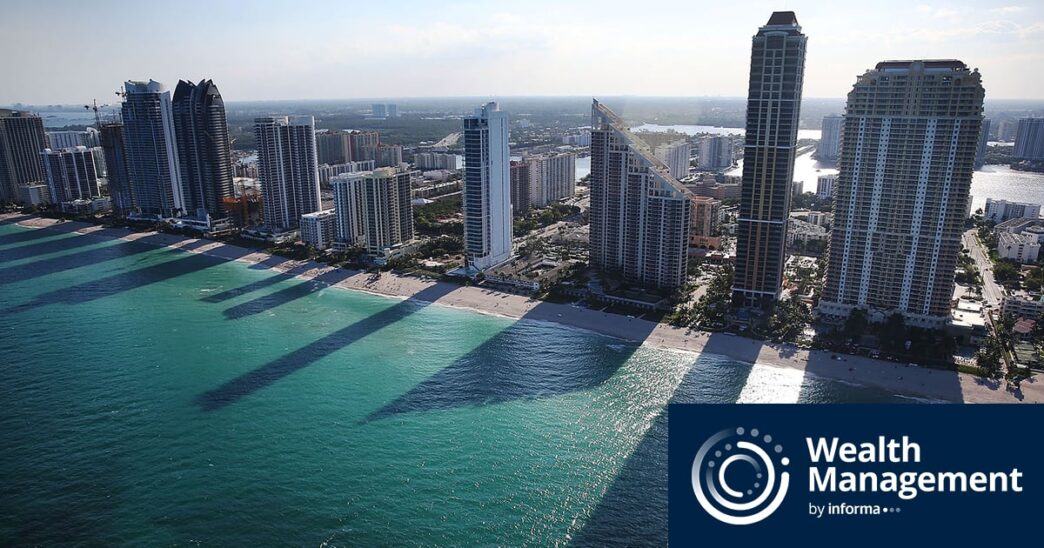
For decades, the migration from New York City to Miami seemed like an obvious financial decision. Professionals fleeing the cold, expensive Northeast could count on lower taxes, warmer weather, and a significantly reduced cost of living in South Florida. That equation has now fundamentally changed.
According to data released on July 20, 2026, the Miami metropolitan area has officially become more expensive than greater New York City for the first time in recorded history. The U.S. Bureau of Labor Statistics reports that South Florida’s consumer price index has skyrocketed 36% since 2019, outpacing every other metropolitan area tracked except Tampa, located just four hours north.
The End of the New York-to-Florida Financial Advantage
The U.S. Bureau of Economic Analysis confirmed this historic shift in its latest annual price-comparison report examining 2024 data. What was once a clear financial arbitrage opportunity has transformed into a complex calculation that often doesn’t favor the Sunshine State.
“People get blinded by the absence of state income tax,” said Nicolas Valdes-Fauli, a financial planner making the move from Manhattan to Miami with his family this July. “Miami has a way of normalizing lifestyle creep quickly. The social pressure around consumption is powerful.”
Valdes-Fauli estimates that while he will avoid New York’s steep state and city income taxes, those savings will be entirely “wiped out” by other expenses unique to South Florida living. He ultimately decided to relocate because his job is based in Miami, not because of any financial benefit.
Breaking Down the True Cost of Miami Living
Several factors have contributed to Miami’s dramatic cost increase over the past several years:
- Housing prices surge: Miami area home prices have jumped 79% since the COVID-19 pandemic, according to S&P Case-Shiller data
- Insurance crisis: Six major hurricanes in the last decade have pushed Florida’s home insurance premiums to the highest in the nation, averaging $8,292 annually
- Private school tuition: Education costs now rival or exceed New York City prices
- Restaurant spending: Dining costs continue climbing year over year
- Vehicle expenses: Unlike New York, Miami requires owning and maintaining multiple cars
While South Florida buyers technically get more space for their money—with median prices at $357 per square foot compared to $537 in New York City—prime Miami neighborhoods tell a different story. Areas like Coral Gables, South Miami, and Pinecrest now command prices comparable to Manhattan’s Upper East Side.
The Hidden Costs That Catch Newcomers Off Guard
Real estate professionals warn that potential buyers focusing solely on purchase prices are making a critical mistake. The total cost of homeownership in Florida has become substantially more complex than many transplants anticipate.
Beyond the sticker price, new Miami homeowners face property taxes, mandatory flood insurance in many areas, and homeowners insurance premiums that have quadrupled compared to New York State. The combination of these expenses often eliminates any advantage gained from avoiding state income taxes.
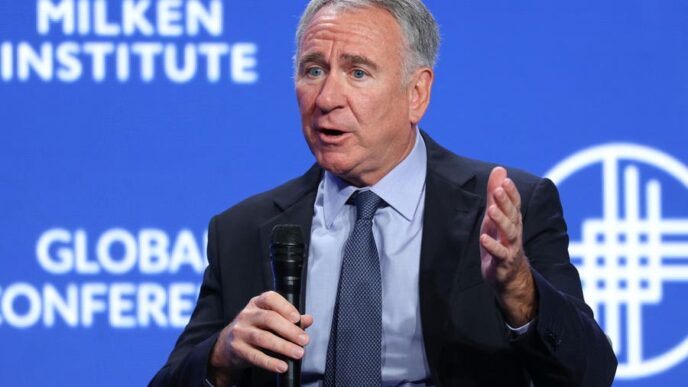
For professionals who were sold on the “Wall Street South” dream—the vision promoted by billionaires like Ken Griffin, where finance careers come with lower costs and greater tax protection—Miami’s new economic reality simply doesn’t compute.
What This Means for the Latino Community
The cost-of-living surge particularly impacts Miami’s substantial Latino population, many of whom have called South Florida home for generations. Rising housing costs, insurance premiums, and everyday expenses are forcing difficult decisions about whether families can afford to remain in the communities where they’ve built their lives.
Young professionals from Latin American backgrounds who once viewed Miami as an affordable gateway to the American Dream are now reconsidering their options. Some are looking to other Florida cities, while others are exploring opportunities in states that still offer a genuine cost advantage.
Despite these financial challenges, Miami continues to attract residents for reasons beyond economics. The city’s unique culture, vibrant Latino heritage, tropical climate, and distinct pace of life remain powerful draws that spreadsheets cannot fully capture. However, for those making purely financial calculations, the numbers have definitively shifted against the once-obvious choice of trading New York for Florida.