
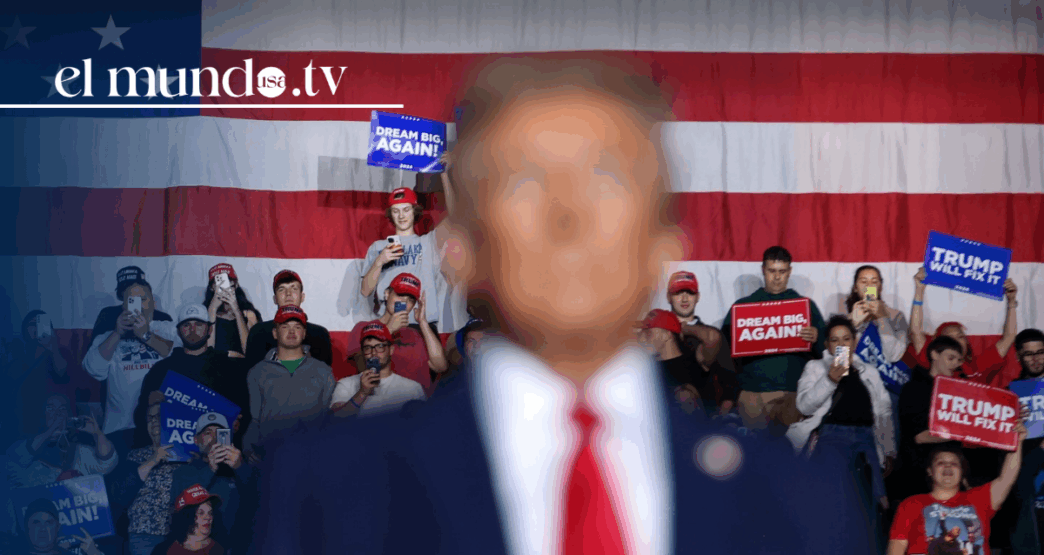
A year into Donald Trump’s second presidency, public confidence in the president showed a decline, with fewer Americans expressing support for his policies and plans. Polling data collected early in 2026 revealed that Trump’s approval ratings dropped notably among Democrats and independent voters, while remaining relatively stable and high within the Republican base.
Visit our facebook and Instagram pages.
The downward trend in approval has been documented through various polling organizations, reflecting a shift since the beginning of Trump’s second term. National surveys indicated that the percentage of Americans expressing trust in Trump’s leadership fell below previous measurements taken shortly after his inauguration. This erosion of confidence coincided with the approach of the annual State of the Union address, as voter sentiment toward the president appeared to weaken outside of his core supporters.
Among Democrats and independents, approval ratings for Trump reached some of their lowest points since he returned to office, with concerns cited about his policy agenda and leadership style. However, a majority of Republican respondents continued to voice support, which kept the overall approval figures from declining more steeply. Analysts observed that this polarized response underscored the entrenched partisan divisions shaping public opinion during this period of governance.
The data also showed that fewer Americans now agreed with Trump’s declared policy objectives, signaling a broader skepticism toward his plans for domestic and international issues. This trend influenced how the president’s initiatives were received in Congress and public forums, as lawmakers sought to gauge the level of constituent backing when considering legislation aligned with his administration’s priorities.
Public opinion during the second Trump administration has been consistently tracked through multiple polls, revealing fluctuating levels of support tied to political developments, media coverage, and national events. The January 2026 results underscored the ongoing challenge for the president in expanding his appeal beyond his loyal base amid a complex political landscape.
This period marked a significant continuation of the patterns seen during Trump’s first term, where approval ratings often experienced wide swings based on partisan affiliations and major news cycles. The current polling figures contribute to an understanding of the electoral environment leading into the next cycle of political contests and policy debates.