
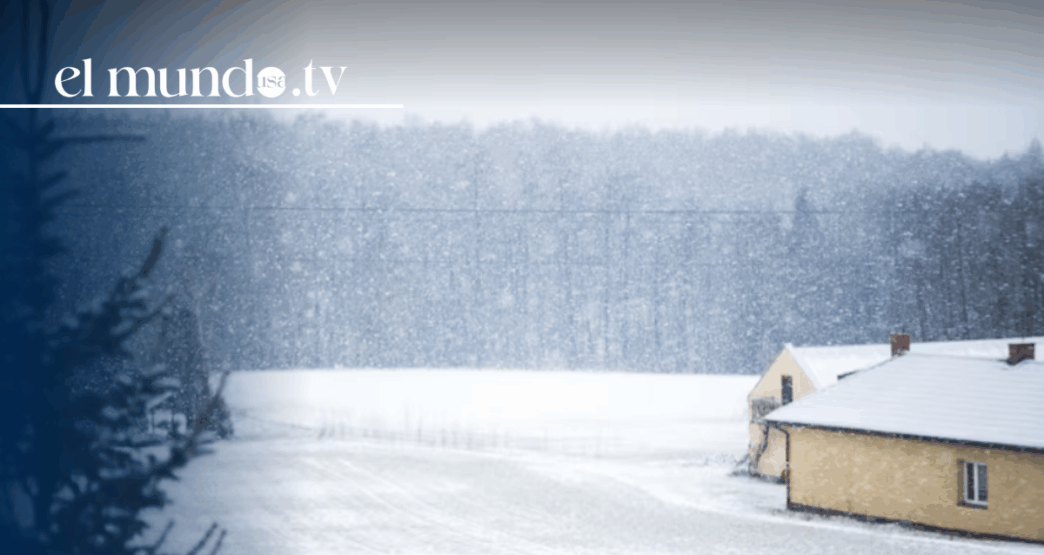
Massachusetts experienced a winter storm that prompted Governor Healey to declare a state of emergency and activate the National Guard. The storm produced widespread snowfall totals ranging from 12 to 24 inches across the region between Sunday night and Monday afternoon, according to the National Weather Service. This significant snowfall event occurred amid the state’s typical climate patterns, which generally include 40 to 60 inches of annual precipitation, with snowfall sometimes exceeding 100 inches in certain areas.
The emergency declaration aimed to support response efforts as the heavy snow impacted transportation, public safety, and infrastructure. The National Guard’s mobilization provided assistance in snow removal and emergency services, ensuring communities maintained access to critical resources during the storm.
Massachusetts’s climate historically features relatively even precipitation distribution throughout the calendar year. However, this storm represented a period of intense snowfall concentration. While the state averages considerable annual snowfall, such major snow events with high-impact accumulation close to the Atlantic coast have been noted for their growing prominence in recent climate patterns.
In the lead-up to this storm, many parts of the Northeast, including Massachusetts, had recorded precipitation levels below normal for the first half of February, with some areas receiving less than half an inch of precipitation. The sudden increase to heavy snowfall amounts thus marked a sharp contrast to the prior dry conditions.
The storm’s impacts extended to travel disruptions, power outages, and increased demand for emergency services. The Winter Weather Forecasts issued by local meteorological offices indicated a 90% probability that snowfall would meet or exceed lower-end estimates of around 9 inches in many locations. The actual snowfall totals exceeded those minimum predictions, underscoring the storm’s severity.
The state’s existing emergency management protocols and the activation of additional resources helped mitigate the storm’s effects on residents and infrastructure. These measures included road treatment and clearing, incident response prioritization, and coordination among state and local agencies.
This winter storm is part of a broader pattern of high-impact snowfall events observed in the eastern United States, where extreme weather events have shifted in frequency and intensity. Continued monitoring and emergency preparedness remain critical to managing the region’s seasonal weather hazards.