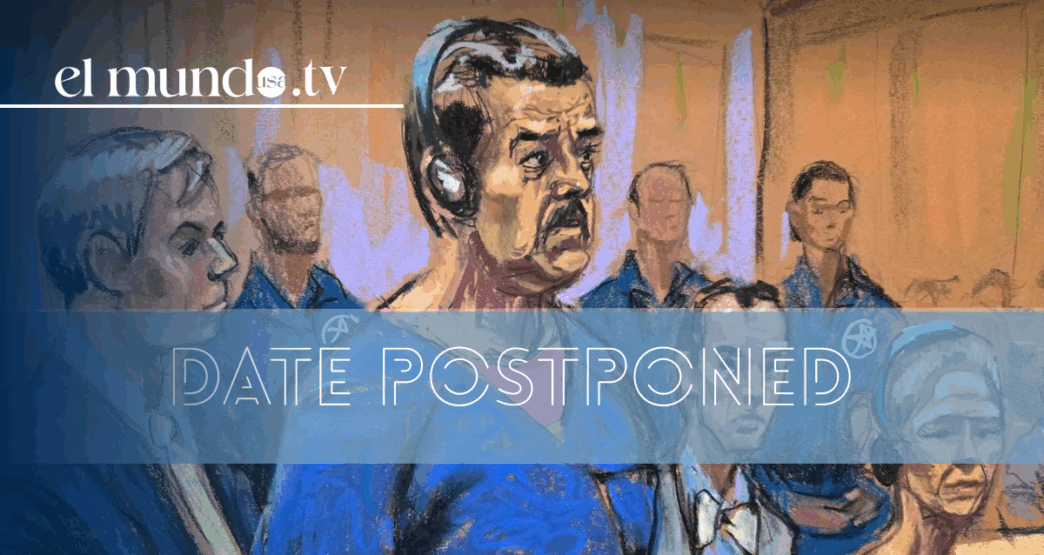
The Southern District of New York office announced that Maduro hearing is postponed until March 26 at 11:00 a.m. for logistical reasons and to allow for the exchange of evidence between the parties. Federal prosecutor Jay Clayton submitted the request to Judge Alvin Hellerstein with the express consent of the defense attorneys for both defendants. The U.S. government requires additional time to deliver a complete discovery before pre-trial motions can begin.
READ MORE: US seizes oil tanker off the coast of Venezuela
Why was Nicolas Maduro’s hearing postponed?
The federal prosecutor’s office justified the postponement by citing the need to coordinate complex schedules between New York and Venezuelan legal teams. Legal documents highlight scheduling conflicts that prevented key witnesses and forensic experts from attending simultaneously. Maduro and Flores’ defense team accepted the extension because it needs to analyze voluminous evidence progressively submitted by the prosecution.
Nine additional days facilitate a thorough review of drug trafficking evidence supporting charges against the Venezuelan presidential couple.
The United States captures Nicolás Maduro on January 3 in a joint military operation that transfers the Chavista leader to US territory. Cilia Flores faces parallel charges linked to an alleged international drug trafficking network involving officials from the historic Chavista movement. The original hearing on March 17 allowed just two months to review evidence gathered over years of anti-drug intelligence.
Judge Hellerstein approves extensions when federal prosecutors demonstrate specific logistical needs for complex transnational cases.
Discovery of evidence speeds up preparations
Prosecutor Jay Clayton specifies that postponement allows for “production of evidence” required by US federal law. Defense needs a reasonable time to examine testimony, financial records, and physical evidence before preliminary motions. Maduro declares himself “innocent” of drug trafficking in January and describes his capture as a political “prisoner of war.”
New York court system standardizes 30-60 additional days when discoveries exceed 10,000 pages of technical documents.
Updated legal timeline:
- January 3, 2026: Military operation captures Maduro in Venezuela
- March 17 (original): Initial date of first hearing scheduled
- March 26, 11:00 a.m.: New date approved by consensus between prosecution and defense
- Coming weeks: Complete exchange of evidence discovery
Federal system standardizes complex extensions
The Southern District of New York regularly prosecutes transnational drug trafficking cases with flexible timelines due to the massive volume of evidence. Charges against high-ranking foreign officials generate confidential disclosures that require specific security protocols.
The Venezuelan defense takes advantage of additional time to prepare procedural strategies before experienced federal judge Alvin Hellerstein. Federal prosecutors consolidate evidence collected by the DEA over a decade against alleged cartels backed by the Chavista government.
READ MORE: Russia Denies Trump’s Claim on India Halting Russian Oil Purchases
The New York prosecutor’s office reschedules the Maduro-Flores hearing to March 26 due to standard evidentiary logistics. The Southern District of New York coordinates complex discovery between the United States and Venezuelan legal teams. Jay Clayton systematically submits drug trafficking evidence while the defense prepares preliminary motions. The U.S. federal system guarantees reasonable timeframes for transnational cases of this magnitude.