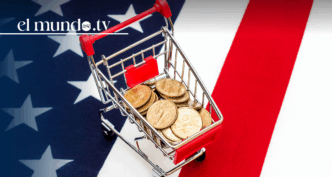
Inflation in the United States remained unchanged in December, in line with analysts’ expectations, according to official data released Tuesday by the U.S. government, after a year marked by tariffs imposed by President Donald Trump that put pressure on prices.
The Consumer Price Index (CPI), one of the main inflation indicators, registered an annual increase of 2.7% in the 12 months ending in December, the same rate observed in November, the Labor Department reported.
Monthly inflation and price behavior
In the month-over-month comparison, the CPI rose 0.3% in December, driven primarily by higher housing prices, which were the biggest contributor to the monthly rebound, according to the official report.
Although prices did not skyrocket in the final months of 2025, inflation showed an upward trend throughout the year as the Trump administration imposed multiple rounds of tariffs on imports, affecting goods from almost all of the United States’ trading partners.
Read more: The United States sanctions 120 Venezuelan officials from Nicolás Maduro’s government
Tuition fees, exemptions, and cost of living
In recent months, the government expanded a list of tariff exemptions to include agricultural products and key goods, amid growing concern over the cost of living for American households.
The 2.7% inflation rate in December 2025 compares to the 2.9% recorded in December 2024, reflecting a moderation in the annual pace despite trade tensions.
Food prices rise faster than average; gasoline prices fall.
The report highlighted that food prices rose 3.1% over the past 12 months, exceeding the overall inflation average.
In contrast, the price of gasoline fell by 3.4%, which helped contain the inflationary impact on consumers.
Companies, for their part, have reported higher operating costs, although many sought to cushion the effect of the tariffs by building up inventories before the increases, thereby avoiding passing the full impact on to final prices.