Billionaire money plays an increasingly visible role in U.S. midterm elections. Private contributions help fund campaigns, political committees, and organizations that back specific candidates.
Federal election records show that the top ten billionaire donors of this cycle have collectively contributed more than $734 million. A significant portion of these funds comes from entrepreneurs with interests in sectors such as technology, artificial intelligence, cryptocurrency, and venture capital.
The contributions also reveal the political preferences of some of the country’s wealthiest individuals, as they back both Democratic and Republican initiatives.
Who are the top five in election funding?
Marc Andreessen stands out for the volume of funds linked to his political activity. The entrepreneur has personally contributed approximately $42.2 million, while the combined contributions from Andreessen, Ben Horowitz, and the Andreessen Horowitz fund total $115.3 million for the cycle. He supports Donald Trump and the MAGA movement.
The Soros family holds another top spot, with $103.7 million contributed by George Soros, his son Alex, and organizations under their control to super PACs linked to the Democratic Party.
Jeff Yass has allocated $93.8 million to the elections, including a $20 million contribution to a committee supporting Vivek Ramaswamy in Ohio. He supports Trump.
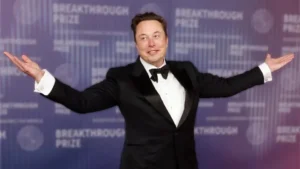
Elon Musk, meanwhile, has contributed around $90.5 million, primarily to America PAC, an organization involved in Senate and House of Representatives races.
See also: Serena Williams boosts women’s presence among highest-paid tennis players of 2026
Richard and Elizabeth Uihlein have contributed $70 million to Republican groups, with funds allocated to various campaigns and electoral causes.
The distribution of funds highlights a characteristic of the U.S. electoral system, where great fortunes can channel amounts far exceeding typical individual contributions and support candidates through political structures operating outside the campaigns themselves.
With the midterm elections serving as the next major electoral arena, the financial capacity of these business leaders will remain a key factor in determining which candidates receive the most financial backing and which organizations have the resources to share their platforms with voters.