Miami International Airport became the scene of a major opioid trafficking arrest on Wednesday, August 12, 2026, when federal agents intercepted a traveler carrying hundreds of hydrocodone pills concealed in his luggage. The incident highlights ongoing efforts by Customs and Border Protection (CBP) to combat the flow of controlled substances into the United States, a crisis that continues to affect communities nationwide.
The suspect, identified as Marcus Perry, 50 years old, arrived on a commercial flight from Medellin International Airport in Colombia. Upon clearing customs at Florida’s busiest airport, CBP officers selected him for a routine inspection. What they discovered inside his belongings led to immediate arrest and serious drug trafficking charges.
What Officers Discovered During the Search
During the inspection at Miami International Airport, CBP agents found 460 hydrocodone pills carefully hidden inside two blue backpacks. The backpacks were concealed within a black plastic bag, an apparent attempt to avoid detection during the customs screening process.
Perry, a resident of Little Elm in the Dallas, Texas area, immediately raised suspicions when questioned by investigators. He admitted to officers that he did not have a prescription to carry the opioid medication, which proved to be a critical admission leading to his arrest.
Following the discovery, authorities transported Perry to the local jail facility. According to Miami-Dade jail records, he now faces charges of trafficking and importing a controlled substance. His attorney has been unable to provide any statement or additional information regarding the case at this time.
Flight Details and Ongoing Investigation
On August 12, 2026, four commercial flights arrived at Miami International Airport from Medellin, Colombia. These routes are operated by both American Airlines and Avianca, two major carriers serving the Colombia-Florida corridor.
The flights that arrived that day included AV32 at 4:17 AM, AA924 at 10:18 AM, AV30 at 3:31 PM, and AA1128 at 6:03 PM. Investigators have not disclosed which specific flight Perry was traveling on when he attempted to smuggle the opioid pills into the country.
The selection of Perry for additional screening demonstrates the multi-layered security approach employed by federal agents at major U.S. airports. CBP officers use sophisticated methods to identify potential smugglers among the millions of travelers passing through customs daily.
Understanding Hydrocodone and Its Risks
Hydrocodone is a powerful opioid medication commonly prescribed to treat severe pain and persistent coughs. It is sold under well-known brand names including Vicodin and Norco, medications that have become unfortunately familiar during the ongoing opioid crisis in America.
The drug works by changing how the brain and nervous system perceive and respond to pain signals. While effective when used properly under medical supervision, hydrocodone carries significant risks. Common side effects include nausea, dizziness, and sleepiness, but the greater danger lies in its addictive properties.
Overuse of hydrocodone can lead to high physical dependence and severe addiction. The illegal trafficking of these pills contributes directly to the opioid epidemic that has devastated countless families and communities across the United States.
Read more: Opioid Crisis: Resources and Support for Affected Families
CBP Authority and Search Procedures
Customs and Border Protection maintains broad legal authority to inspect all incoming and outgoing travelers at airports throughout the United States. Unlike many other law enforcement agencies, CBP officers can conduct these searches without a warrant.
Standard CBP procedures include searching for contraband, undeclared goods, evidence of financial crimes, immigration violations, and various biosecurity threats. Officers have full authority to physically open and unpack bags, examine personal items, and conduct thorough inspections of any traveler.
“Using highly integrated and layered approaches, CBP and other agents will use a multifaceted approach to stop the flow of illicit narcotics and other prescription medications if being brought in with the intent to supply.”
Federal agencies emphasize that publicizing arrests like this one serves as a deterrent, reminding potential drug smugglers that they face a significant risk of being caught. These efforts aim to dismantle organized crime networks and prevent addiction, crime, and health crises in communities nationwide.
Miami International Airport: A Critical Security Hub
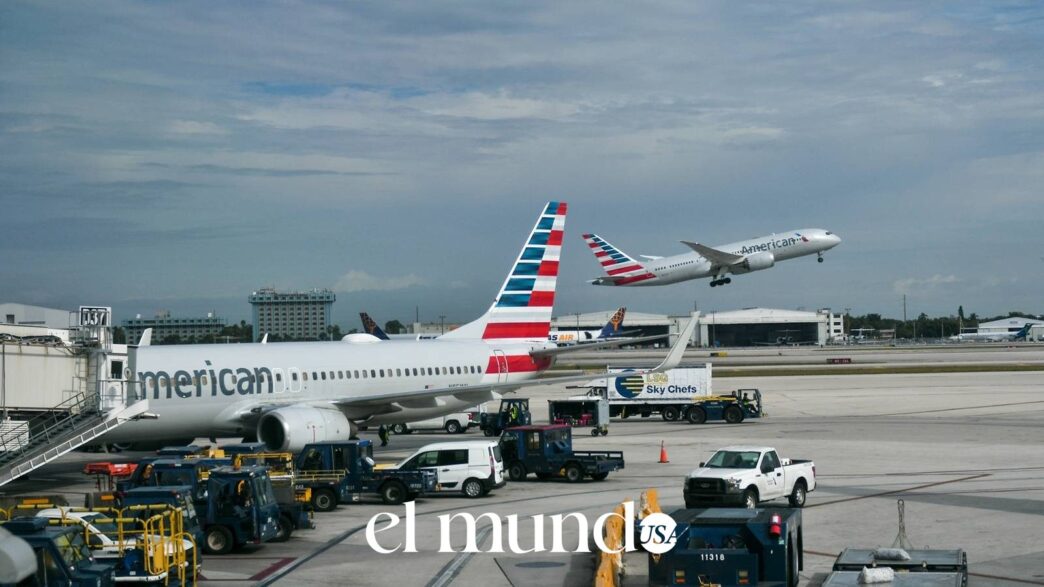
Miami International Airport serves as the busiest airport in Florida and ranks among the most important transportation hubs in the entire United States. The facility handles approximately 55 million passengers annually, making it a critical point for international travel and, unfortunately, a target for smuggling operations.
The airport’s extensive connections to Latin America and the Caribbean make it particularly significant for both legitimate commerce and potential illegal trafficking attempts. Security operations at MIA must balance facilitating the smooth flow of millions of travelers while maintaining vigilance against drug smuggling and other threats.
For the Latin community traveling through Miami International Airport, understanding customs procedures and CBP authority is essential. Legal travelers should be prepared for potential inspections and ensure all medications are properly documented with valid prescriptions.
This arrest serves as a reminder of the serious legal consequences associated with drug trafficking. Perry now faces significant prison time if convicted on the trafficking and importation charges. The case will proceed through the federal court system in the coming weeks and months.
What are the penalties for drug trafficking in Florida?
Drug trafficking charges in Florida carry severe penalties including lengthy prison sentences and substantial fines. The exact punishment depends on the type and quantity of controlled substance involved. Federal charges, like those facing Perry, typically result in even harsher sentences.
Can CBP search your bags without a warrant?
Yes, Customs and Border Protection has legal authority to inspect all incoming and outgoing travelers at U.S. airports without requiring a warrant. This includes the right to physically open and unpack bags and examine personal items.
What should travelers know about carrying prescription medications?
Travelers should always carry prescription medications in their original containers with proper prescription labels. Having documentation from a physician can help avoid misunderstandings during customs inspections. Carrying controlled substances without a valid prescription can result in serious criminal charges.
📘 Follow El Mundo USA on our social networks: Facebook | Twitter