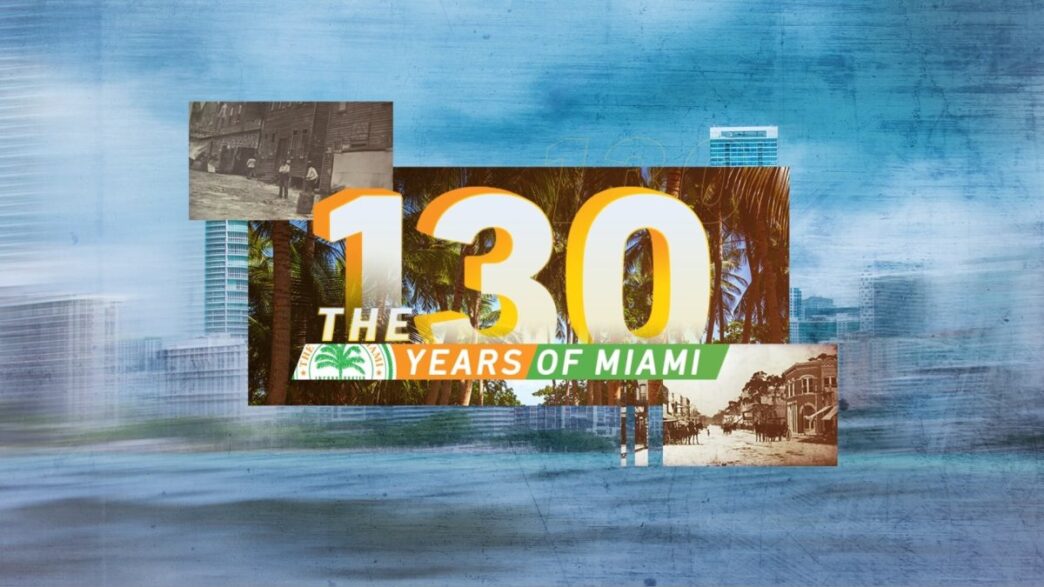
On July 28, 2026, the City of Miami marks an extraordinary milestone as it celebrates 130 years since its founding. This vibrant metropolis, which has become synonymous with Latin American culture, international commerce, and endless sunshine, holds a unique distinction in American history: it remains the only major city in the United States to be founded by a woman.
Julia Tuttle: The Visionary Mother of Miami
The story of Miami’s founding is one of determination, business acumen, and perfect timing. Julia Tuttle, a businesswoman from Cleveland, Ohio, arrived in South Florida and purchased a citrus plantation along the Miami River. Her vision for the region went far beyond agriculture, as she dreamed of transforming the tropical wilderness into a thriving city.
Tuttle’s opportunity came after the devastating Great Freeze of 1894-1895, which destroyed citrus crops throughout most of Florida. However, her groves in the southern tip of the state remained untouched, making her the sole producer of citrus that year. This agricultural fortune gave her the leverage she needed to convince railroad magnate Henry Flagler to extend his Florida East Coast Railway to Miami.
Miami was incorporated as a city on July 28, 1896, with just 300 registered voters. Julia Tuttle’s bold vision and strategic thinking laid the foundation for what would become one of America’s most dynamic metropolitan areas.
The partnership between Tuttle and Flagler proved transformative. The arrival of the railroad opened South Florida to development, tourism, and commerce. Within decades, the small settlement would grow into a bustling city that attracted visitors, investors, and immigrants from around the world.
Miami International Airport: The Gateway to Latin America
No discussion of Miami’s evolution into a global city would be complete without acknowledging the crucial role of Miami International Airport. What began in 1927 as Pan American Airways’ base of operations has grown into one of the busiest international airports in the United States and a vital link between North America, Latin America, and the Caribbean.
The airport’s humble beginnings are almost unimaginable today. MIA launched with just two passengers on its inaugural service connecting Miami, Key West, and Cuba. Nearly a century later, the airport processes millions of travelers annually, serving as the primary entry point for visitors and immigrants arriving from throughout the Americas.
How MIA Shaped South Florida’s Identity
For the Latin community in the United States, Miami International Airport represents far more than a transportation hub. For generations of Cuban, Venezuelan, Colombian, Argentine, and other Latin American families, MIA served as their first glimpse of American soil. The airport witnessed the waves of immigration that fundamentally transformed South Florida’s demographics, culture, and economy.
- MIA handles more international freight than any other US airport
- The airport serves as headquarters for numerous Latin American airlines
- Over 1,000 flights depart daily to destinations worldwide
- Spanish is spoken as commonly as English throughout the terminals
- The airport employs tens of thousands of local residents
The growth of the airport mirrored Miami’s transformation from a regional tourist destination into the unofficial capital of Latin America in the United States. Today, major multinational corporations base their Latin American operations in Miami precisely because of the city’s connectivity, bilingual workforce, and cultural familiarity.
What Miami’s 130th Anniversary Means for the Latin Community
As Miami celebrates 130 years of history, the Latin community can take particular pride in how profoundly it has shaped the city’s identity. From Little Havana to Doral, from Hialeah to Sweetwater, Hispanic culture permeates every aspect of Miami life. The city’s restaurants, music venues, businesses, and neighborhoods reflect the diverse heritage of immigrants from Cuba, Colombia, Venezuela, Nicaragua, Argentina, and beyond.
The anniversary celebrations taking place throughout the city offer residents and visitors numerous opportunities to explore Miami’s rich history. Museums, cultural centers, and historical sites throughout the metropolitan area are hosting special exhibitions and events commemorating this significant milestone.
Places to Explore Miami’s History
- HistoryMiami Museum features comprehensive exhibits on the city’s founding
- The Julia Tuttle Causeway honors the city’s founder
- Vizcaya Museum and Gardens showcases early 20th-century Miami elegance
- Little Havana’s Calle Ocho represents Cuban-American heritage
- The Freedom Tower stands as a symbol of immigration history
For 130 years, Miami has reinvented itself continuously while maintaining its position as a crossroads of cultures and commerce. From Julia Tuttle’s citrus groves to today’s gleaming skyline, the city demonstrates what happens when vision, diversity, and determination come together. As Miami enters its next chapter, the Latin community remains central to its identity and essential to its continued success as America’s gateway to the hemisphere.