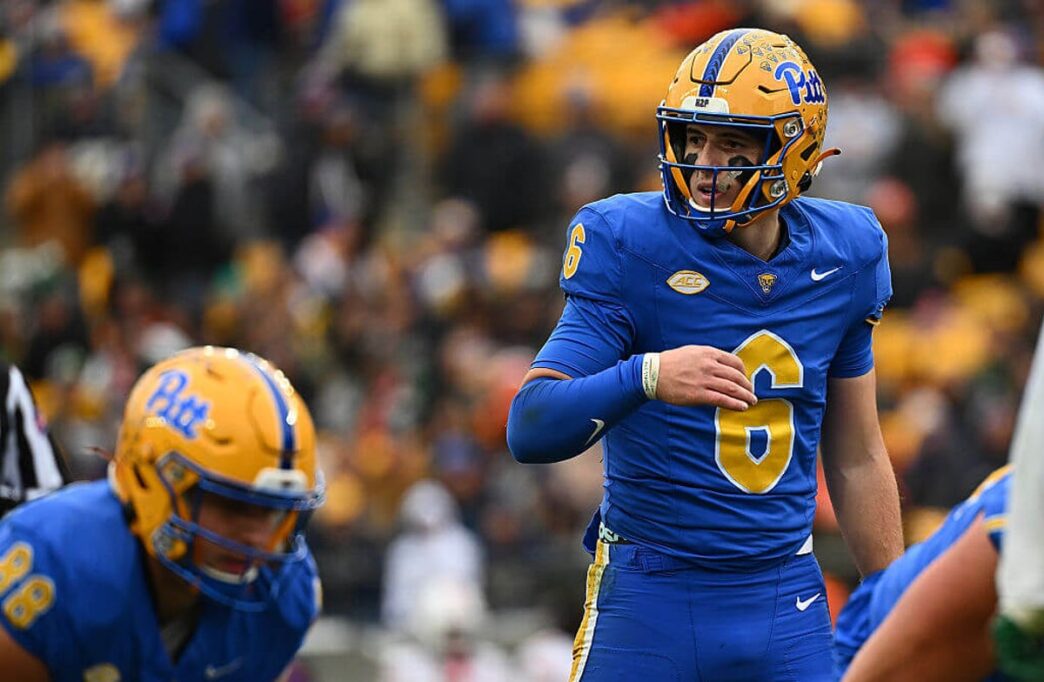
Pittsburgh Panthers head coach Pat Narduzzi has made explosive claims about rival program Miami, alleging that the Hurricanes attempted to convince his starting quarterback Mason Heintschel to enter the transfer portal just days before the January deadline closed.
The revelation came on July 17, 2026, when Narduzzi spoke candidly about the intense behind-the-scenes recruiting battles that have become commonplace in modern college football. According to the veteran coach, Miami made a last-ditch effort to sway Heintschel on the Thursday before the portal window closed on Friday, January 16.
A Rising Star Stays Put in Pittsburgh
Heintschel emerged as one of the most promising young quarterbacks in the Power 4 conferences during his freshman campaign. Taking over as the starter four games into the season, the three-star recruit from Ohio delivered impressive numbers that caught the attention of programs across the country.
- 2,354 passing yards in his freshman season
- 16 touchdown passes
- Eight interceptions
- 6-2 record as a starter during regular season
Despite the interest from Miami, Heintschel had already committed to staying with Pittsburgh well before the transfer portal opened on January 2. The young quarterback credits his support system for helping him navigate the turbulent waters of modern college football recruiting.
“My thought process is always just being where your feet are. I think that’s the biggest thing for me: I’ve always wanted to be here. I think this is where I want to be for my career.”
Narduzzi Warned Duke About Miami’s Tactics
The Pittsburgh coach revealed that he also attempted to warn Duke head coach Manny Diaz about Miami’s aggressive quarterback pursuit. After learning of the Hurricanes’ interest in his own signal-caller, Narduzzi reached out to his ACC colleague.
According to Narduzzi, he called Diaz on that same Thursday afternoon to alert him that Miami might target Duke quarterback Darian Mensah next. Despite the warning, Miami successfully landed Mensah, who had already signed a deal to remain with the Blue Devils.
The situation with Mensah became legally complicated when Duke filed a lawsuit against their former quarterback. The case was eventually settled for financial damages, marking a significant moment in the evolving landscape of college athletics and player contracts. Notably, Mensah had led Duke to an ACC championship the previous December before his departure.
The Ongoing Debate Over Tampering Rules
The incident highlights the growing tension in college football over recruiting players who are already committed to other programs. Currently, any attempt to recruit another school’s athlete constitutes an NCAA violation. However, some figures within college sports believe these tampering rules have become outdated and need revision to match the current transfer rules that allow players to move freely each year.
The NCAA’s Division I Cabinet is reportedly in early discussions about creating a legal tampering period in November or December. This proposed change would permit coaches and staff to contact designated representatives of players from other programs during a specific window.
Narduzzi expressed strong opposition to any such changes, using a colorful analogy to make his point about the ethical implications of tampering with committed players.
Changes to the Transfer Portal Window
The coach did express satisfaction with recent adjustments to the transfer portal system. The elimination of the second spring portal window, which previously operated in April, has been welcomed by many in the coaching ranks.
- January window was the only portal period this offseason
- Proposed changes could reduce the window from 15 days to 10 days
- NCAA oversight committee expected to review the change in August
Narduzzi believes these modifications help provide stability for programs and players alike. With a single transfer window, teams can focus on building chemistry during spring practice without worrying about roster disruption.
Miami has not publicly responded to Narduzzi’s allegations about their recruitment tactics. The situation underscores the intense competition for quarterback talent in college football and the increasingly complex rules governing player movement between programs.