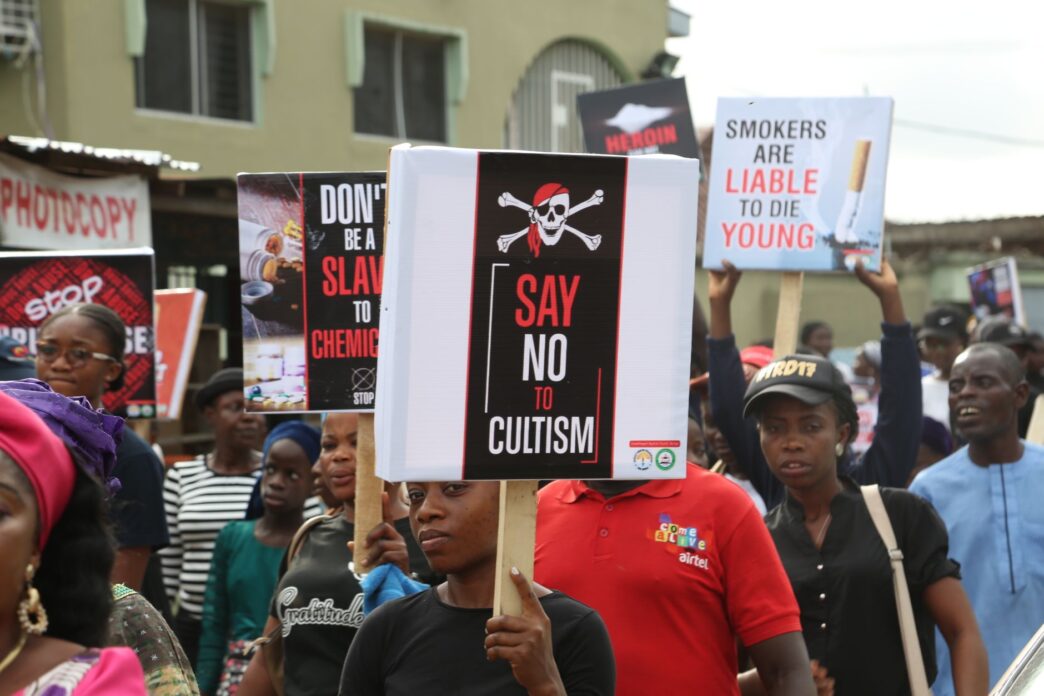
South African police arrested more than 900 people during nationwide anti-migrant protests on Tuesday, July 1, 2026, as demonstrations marking an unofficial deadline for undocumented migrants to leave the country unfolded across the nation. The protests prompted the deployment of soldiers to Johannesburg and police reinforcements to five of the country’s nine provinces.
Of the 120 marches held across South Africa on Tuesday, 108 remained peaceful while 12 required law enforcement intervention, according to authorities. The protests came one day after anti-immigrant groups had set June 30 as a deadline for undocumented foreigners to leave the country.
Main Developments
Deputy National Police Commissioner Tebello Mosikili confirmed the arrest figures as authorities worked to maintain order during the widespread demonstrations. Police reinforcements were deployed to five of South Africa’s nine provinces to manage the protests and prevent violence.
Soldiers were sent to Johannesburg’s Hillbrow neighborhood, a densely populated area that has been at the center of tensions between local residents and migrant communities. The military deployment underscored the government’s concern about potential unrest as protesters demanded action on illegal immigration.
Protest leader Ngizwe Mchunu expressed the frustration driving the demonstrations. “It’s a very sad story that we have been telling our government since the dawn of democracy that illegal immigration here is out of hand. It is time for our government to put South Africa first,” Mchunu said.
President Cyril Ramaphosa met with protest leaders on Monday night, June 30, 2026, to request peaceful demonstrations. The meeting came as tensions escalated ahead of the deadline that anti-immigrant groups had set for undocumented migrants.
What We Know So Far
The protests triggered a significant migration of foreign nationals from South Africa. Thousands of migrants from Zimbabwe, Malawi, and Nigeria have fled the country or been repatriated in recent weeks.
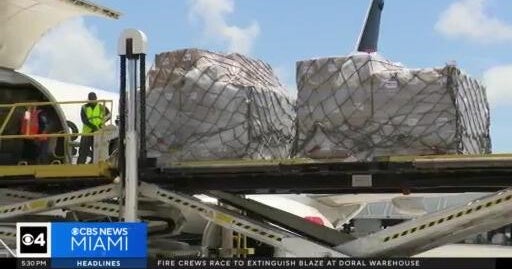
Nigerian repatriation efforts have been substantial. A total of 632 Nigerians have been repatriated, with more than 1,000 Nigerian nationals registering for voluntary repatriation. On Tuesday alone, 271 Nigerian migrants arrived in Lagos. Three groups of Nigerian migrants have returned to their home country this month.
Thousands of Malawian nationals have also returned from a temporary repatriation center established in Durban to process those leaving South Africa.
Among those who left was Emmanuella Akagbosun, a 44-year-old Nigerian who had moved to South Africa in 2017. “We are not safe, so we had to leave,” Akagbosun said, describing the fear that prompted her departure.
Fintan Opara, a Nigerian national who had lived in South Africa for 18 years, was also among those repatriated, highlighting how long-term residents have been affected by the current climate.
Human Rights Concerns
Amnesty International has raised concerns about the treatment of migrants during the protests. Shenilla Mohamed, executive director of Amnesty International South Africa, criticized the scapegoating of migrants as tensions continue to rise.
The human rights organization’s criticism comes as authorities work to balance maintaining public order during the protests while protecting the rights of migrant communities who have lived and worked in South Africa for years.
What Happens Next
The situation remains fluid as authorities continue to monitor protest activities across the country. With the unofficial deadline having passed, the focus shifts to how the government will respond to the demonstrators’ demands while addressing the humanitarian needs of displaced migrants.
Repatriation efforts are expected to continue as more migrants register for voluntary returns to their home countries. The Nigerian government has already processed multiple groups of returnees this month, and additional flights may be organized to accommodate those who have registered.
The government faces the challenge of addressing the concerns of protesters while maintaining South Africa’s international obligations regarding migration and human rights.
Important Details
The protests took place in locations across South Africa, with significant activity in Johannesburg and Durban. Johannesburg’s Hillbrow neighborhood saw military deployment due to its status as a focal point for tensions.
The unofficial June 30 deadline set by anti-immigrant groups created urgency among migrant communities, prompting many to leave before the protests began. The repatriation center in Durban has been processing Malawian nationals seeking to return home.
For Nigerian nationals, the repatriation process has been coordinated with flights arriving in Lagos. Those who have registered for voluntary repatriation continue to be processed through official channels.
Protest Statistics
Authorities provided detailed figures about Tuesday’s demonstrations. The 120 marches held across the country represented a significant mobilization of protesters demanding government action on immigration.
The fact that 108 of the 120 marches remained peaceful suggests that most demonstrators heeded calls for non-violent protest. However, the 12 marches that required law enforcement intervention contributed to the arrest total of more than 900 individuals.
The deployment of police reinforcements to five provinces indicates that authorities anticipated potential unrest in multiple regions of the country.
Frequently Asked Questions
How many people were arrested during the South Africa protests?
South African police arrested more than 900 people during the nationwide anti-migrant protests on Tuesday, July 1, 2026.
Were all the protests violent?
No. Of the 120 marches held on Tuesday, 108 were peaceful. Only 12 marches required law enforcement intervention.
How many Nigerian migrants have been repatriated?
A total of 632 Nigerians have been repatriated, with 271 arriving in Lagos on Tuesday. More than 1,000 Nigerian nationals have registered for voluntary repatriation.
Why did soldiers deploy to Johannesburg?
Soldiers were sent to Johannesburg’s Hillbrow neighborhood as part of security measures during the protests marking the deadline for undocumented migrants to leave.
What did President Ramaphosa do about the protests?
President Cyril Ramaphosa met with protest leaders on Monday night, June 30, 2026, to request that demonstrations remain peaceful.
The arrests and ongoing repatriations mark a significant moment in South Africa’s ongoing debate over immigration policy. As authorities process those arrested and continue to manage the aftermath of the protests, thousands of migrants have already left the country, with repatriation operations continuing for those who have registered to return to their home nations.