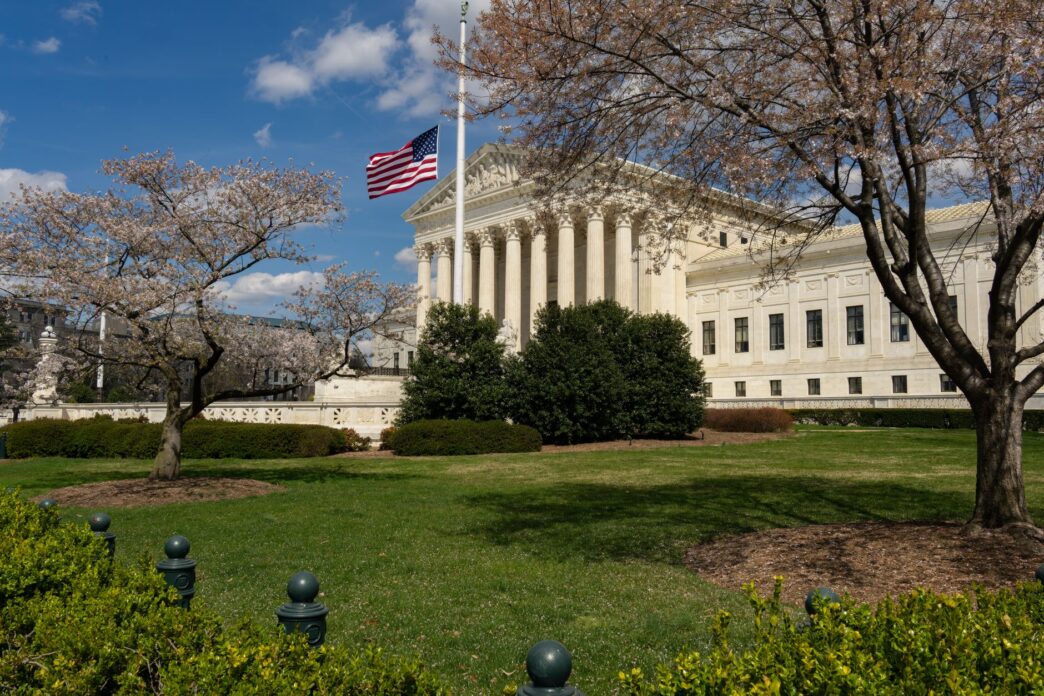
The Supreme Court ruled Tuesday in favor of the Trump administration in a significant immigration case that expands government authority over lawful permanent residents accused of crimes. The 6-3 decision determines that border officers do not need to establish clear and convincing evidence of a crime before placing green card holders on immigration parole.
The case centers on Muk Choi Lau, a lawful permanent resident who was placed on immigration parole in 2012 after returning from a trip to China. Immigration officers took action based on accusations of a counterfeiting crime, setting off a legal battle that has now reached its conclusion at the nation’s highest court.
Main Developments in the Supreme Court Decision
Justice Clarence Thomas authored the majority opinion in the case, establishing a lower evidentiary standard for immigration authorities dealing with green card holders at the border. According to the ruling, border officers did not have the burden to establish by clear and convincing evidence that Lau had committed a crime involving moral turpitude.
The Trump administration had argued that mere suspicion of a crime should be sufficient grounds to place lawful permanent residents on immigration parole. The Supreme Court agreed with this interpretation, handing the administration a legal victory in its broader immigration enforcement efforts.
Justice Ketanji Brown Jackson wrote the dissent, expressing serious concerns about the implications of the ruling. In her dissent, Justice Jackson warned that the court has now handed the government a massive blank check when it comes to handling green card holders accused of crimes.
What We Know So Far
Muk Choi Lau was a lawful permanent resident living in the United States when he traveled to China. Upon his return in 2012, an immigration officer placed him on immigration parole based on counterfeiting accusations. Lau subsequently pleaded guilty to selling counterfeit clothes in New Jersey.
Following the guilty plea, the Department of Homeland Security began deportation proceedings against Lau. The case worked its way through the court system over several years, eventually reaching the Supreme Court. The legal dispute actually began before the current Trump administration took office, making it a case with roots spanning multiple administrations.
The Supreme Court’s 6-3 ruling establishes that the evidentiary burden on border officers is lower than what Lau’s legal team had argued was required. This interpretation gives immigration authorities greater flexibility when dealing with lawful permanent residents returning to the United States who are suspected of criminal activity.
What Happens Next
The Supreme Court is currently considering several other immigration-related cases that could further define the scope of executive power over immigration policy. The court is examining cases involving birthright citizenship, asylum policy, and temporary legal protections for migrants.
While the outcomes of those cases remain pending, Tuesday’s ruling provides a clear indication of the court’s majority view on government authority over lawful permanent residents accused of crimes. The decision will serve as precedent for similar cases involving green card holders who face criminal accusations.
Important Details About the Ruling
The case highlights the legal distinction between the rights of U.S. citizens and those of lawful permanent residents when it comes to border crossings and immigration enforcement. While green card holders have significant rights as permanent residents, this ruling clarifies that those rights have limitations when criminal accusations are involved.
The decision in Washington, D.C. establishes that immigration parole can be applied to returning lawful permanent residents based on suspicion of criminal activity, without requiring the higher standard of clear and convincing evidence. This represents a significant interpretation of immigration enforcement powers.
The 6-3 split on the court reflects the differing views among justices on the balance between individual rights and government enforcement authority. Justice Jackson’s dissent characterizes the majority opinion as providing too much unchecked power to immigration authorities.
The Case Background
The legal journey of this case spans over a decade, beginning in 2012 when Lau was first placed on immigration parole. The counterfeiting accusations led to his guilty plea for selling counterfeit clothes in New Jersey, which then triggered deportation proceedings by the Department of Homeland Security.
Throughout the legal process, the central question remained whether immigration officers needed to meet a higher evidentiary standard before placing a lawful permanent resident on immigration parole. The Trump administration consistently argued that a lower standard should apply, and the Supreme Court has now validated that position.
The ruling affects how border officers can treat returning green card holders who are suspected of crimes. Under the new precedent, suspicion of criminal activity can be sufficient grounds for immigration parole, giving authorities broader discretion in their enforcement decisions.
Implications for Green Card Holders
Lawful permanent residents who travel internationally may face increased scrutiny upon return if there are any criminal accusations or suspicions against them. The ruling makes clear that the government has substantial authority to place such individuals on immigration parole without meeting the higher evidentiary standards that some had argued were required.
Justice Jackson’s dissent raises concerns about the potential for abuse of this expanded authority. Her characterization of the ruling as a massive blank check suggests that the minority believes insufficient safeguards exist to prevent overreach by immigration officials.
The decision comes as the Supreme Court continues to shape immigration policy through its rulings on various cases before it. The pending cases on birthright citizenship, asylum policy, and temporary legal protections for migrants will further define the legal landscape for immigration in the United States.
Frequently Asked Questions
What did the Supreme Court rule in the green card immigration case?
The Supreme Court ruled 6-3 that border officers do not need to establish clear and convincing evidence of a crime to place lawful permanent residents on immigration parole. The decision favors the Trump administration’s position on government authority over green card holders accused of crimes.
Who was the green card holder involved in this Supreme Court case?
The case involved Muk Choi Lau, a lawful permanent resident who was placed on immigration parole in 2012 after returning from China. He faced counterfeiting accusations and pleaded guilty to selling counterfeit clothes in New Jersey.
What did Justice Ketanji Brown Jackson say in her dissent?
Justice Jackson warned in her dissent that the court has handed the government a massive blank check regarding its authority over green card holders accused of crimes. She expressed concern about the implications of the 6-3 ruling.
The Supreme Court’s Tuesday ruling represents a significant decision on the balance between immigration enforcement powers and the rights of lawful permanent residents. The case, which originated in 2012, has now established precedent for how border officers can treat green card holders suspected of criminal activity upon their return to the United States.