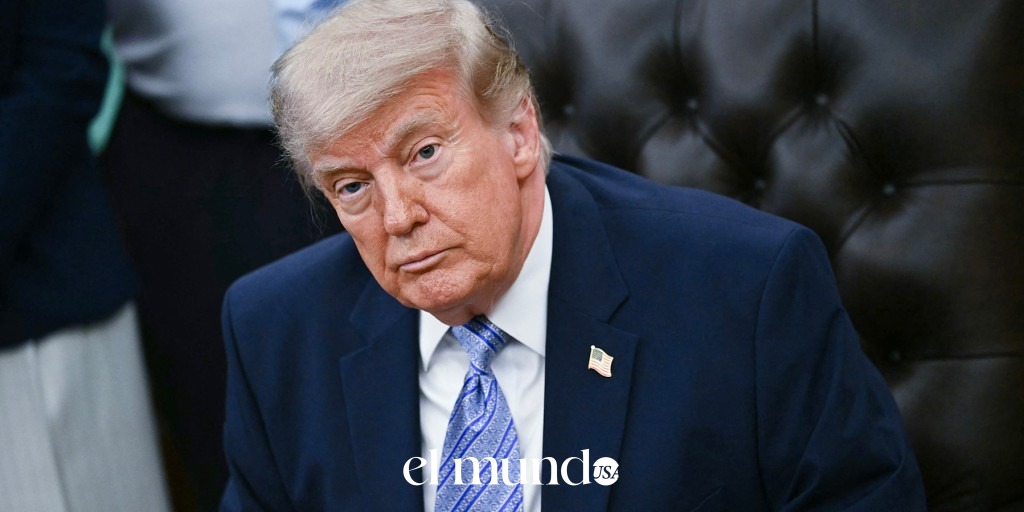
President Donald Trump declared Sunday that he will not rush into a deal to end the ongoing U.S.-Israeli war with Iran, tempering earlier optimism about an imminent agreement. The announcement came as a senior administration official confirmed that while progress has been made, the Iran agreement will not be signed immediately.
The negotiations occur during a fragile two-month ceasefire, with significant discrepancies emerging between White House statements and Iranian state media reports about the proposed terms. The war, which began in late February 2026 with joint U.S.-Israeli strikes on Iran, has already claimed the lives of 13 U.S. service members and cost American taxpayers over $25 billion according to Pentagon estimates.
Main Developments in Trump Iran Deal Negotiations
Trump posted on Truth Social on Sunday, May 24, 2026, that he will not rush into a deal, stating that time is on our side. He emphasized the importance of careful negotiations, writing that there can be no mistakes and that the relationship with Iran is becoming a much more professional and productive one.
A senior administration official told reporters that the Iran agreement will not be signed today, but there has been progress on a deal. The official indicated that the proposed framework has been largely negotiated, subject to finalization.
The framework under discussion would give the United States 60 days to reach a final agreement. According to U.S. officials, the deal would prevent Iran from developing nuclear weapons, require Iran to give up enriched uranium, and ensure the Strait of Hormuz is de-mined and back open for business.
However, Iranian state media has contradicted key White House statements on the deal terms, including reporting a 30-day timeline for the U.S. to lift its naval blockade rather than the 60-day framework cited by American officials.
What We Know So Far
Secretary of State Marco Rubio, speaking to reporters in India, acknowledged some progress over the last 48 hours working with our partners in the Gulf region. Rubio stated that the framework will deliver on President Trump’s priorities and ensure the United States and the region are safer and more prosperous going forward.
On Saturday, May 23, 2026, Trump held calls with leaders from Qatar, Saudi Arabia, Turkey, Pakistan, Jordan, Egypt, and the United Arab Emirates. Vice President JD Vance and Steve Witkoff participated in the regional leaders call. Trump also held a separate phone call with Israeli Prime Minister Benjamin Netanyahu, which he described as having gone very well.
The administration has emphasized that Iran gets nothing until they deliver on its commitments. Trump told Axios there was a 50/50 chance of making a good deal or blowing them to kingdom come.
Earlier in the week, Trump called off a planned attack on Iran after allies urged him to hold off.
Iranian Response and Position
Iranian President Masoud Pezeshkian stated that Iran is ready to assure the world and that Iran is not seeking unrest in the region. However, he maintained a firm stance, declaring that under no circumstances will we or the negotiating team compromise on the country’s dignity and pride.
Iranian officials have offered a different account of the negotiations than their American counterparts. The discrepancies between U.S. and Iranian versions of the proposed agreement terms remain unresolved.
According to an Iranian official, more than 3,000 people have been killed in Iran during the conflict.
Republican Critics Express Concerns
Several Republican senators have publicly criticized the potential deal. Senator Roger Wicker, chair of the Senate Armed Services Committee, warned that the rumored 60-day ceasefire with the belief that Iran will ever engage in good faith would be a disaster. He added that everything accomplished by Operation Epic Fury would be for naught.
Senator Ted Cruz of Texas said he was deeply concerned about what we are hearing regarding the negotiations. Senator Lindsey Graham of South Carolina called the potential agreement a disastrous mistake and warned of a major shift of the balance of power in the region. Graham questioned why the war started to begin with if these perceptions are accurate.
Trump responded to his critics on social media, writing that nobody has seen it, or knows what it is. It isn’t even fully negotiated yet. So don’t listen to the losers, who are critical about something they know nothing about. He added that unlike those before me who should have solved this problem many years ago, I don’t make bad deals.
International Support for Negotiations
Pakistani Foreign Minister Ishaq Dar praised President Trump’s leadership and commitment to dialogue and diplomacy. Turkish President Recep Tayyip Erdogan indicated that Turkey is ready to provide every kind of support during the implementation phase of a potential agreement with Iran.
Rubio suggested optimism remains, stating perhaps there is the possibility that over the next few hours the world will get some good news.
What Happens Next
The proposed framework would establish a 60-day window for the United States to finalize a comprehensive deal with Iran. During this period, negotiations would continue while the fragile ceasefire holds.
Key issues that must be resolved include the timeline for lifting the naval blockade, the process for Iran to surrender enriched uranium, and the reopening of the Strait of Hormuz for international shipping.
Administration officials have not provided a specific date for when an agreement might be signed, emphasizing that negotiations remain ongoing.
Background on the Conflict
The war began in late February 2026 with joint U.S.-Israeli strikes on Iran. The conflict has resulted in significant casualties on both sides, with 13 U.S. service members killed and more than 3,000 people killed in Iran according to Iranian officials.
The Pentagon estimates the war has cost U.S. taxpayers over $25 billion. In April 2026, Trump made a statement that a whole civilization will die tonight, though the full context of that statement was not detailed.
Frequently Asked Questions
Has Trump signed a deal with Iran?
No. A senior administration official confirmed that the Iran agreement will not be signed immediately, though progress has been made in negotiations. The framework remains subject to finalization.
What would the Iran deal include?
According to U.S. officials, the proposed framework would prevent Iran from developing nuclear weapons, require Iran to give up enriched uranium, and ensure the Strait of Hormuz is reopened. Iranian officials have offered different accounts of the terms.
How long would the U.S. have to finalize a deal?
The proposed framework would give the United States 60 days to reach a final agreement with Iran. Iranian state media has reported a 30-day timeline for certain elements.
When did the U.S.-Iran war begin?
The war began in late February 2026 with joint U.S.-Israeli strikes on Iran. A two-month ceasefire is currently in effect as negotiations continue.
The situation remains fluid as U.S. and Iranian officials continue negotiations amid the fragile ceasefire. With conflicting accounts emerging from both sides and criticism from some Republican lawmakers, the path to a final agreement remains uncertain. The administration has emphasized that no deal will be rushed and that Iran must deliver on commitments before receiving any concessions.